



How Tiny Actions Lead to Extraordinary Success
تم تصنيف هذا المقال كغير مؤهل لتحقيق الدخل وفق معايير المنصة الحالية. لذلك لا تُعرض عليه إعلانات، ولا يظهر ضمن قوائم المقالات العامة أو نتائج البحث داخل المنصة، لكنه يظل متاحًا للقراءة من خلال رابطه المباشر.
لا تعني حالة عدم الأهلية بالضرورة أن المقال مخالف؛ فقد ترتبط بمعايير المحتوى أو جودة الزيارات أو متطلبات تحقيق الدخل المعتمدة في المنصة.
How Tiny Actions Lead to Extraordinary Success
Introduction
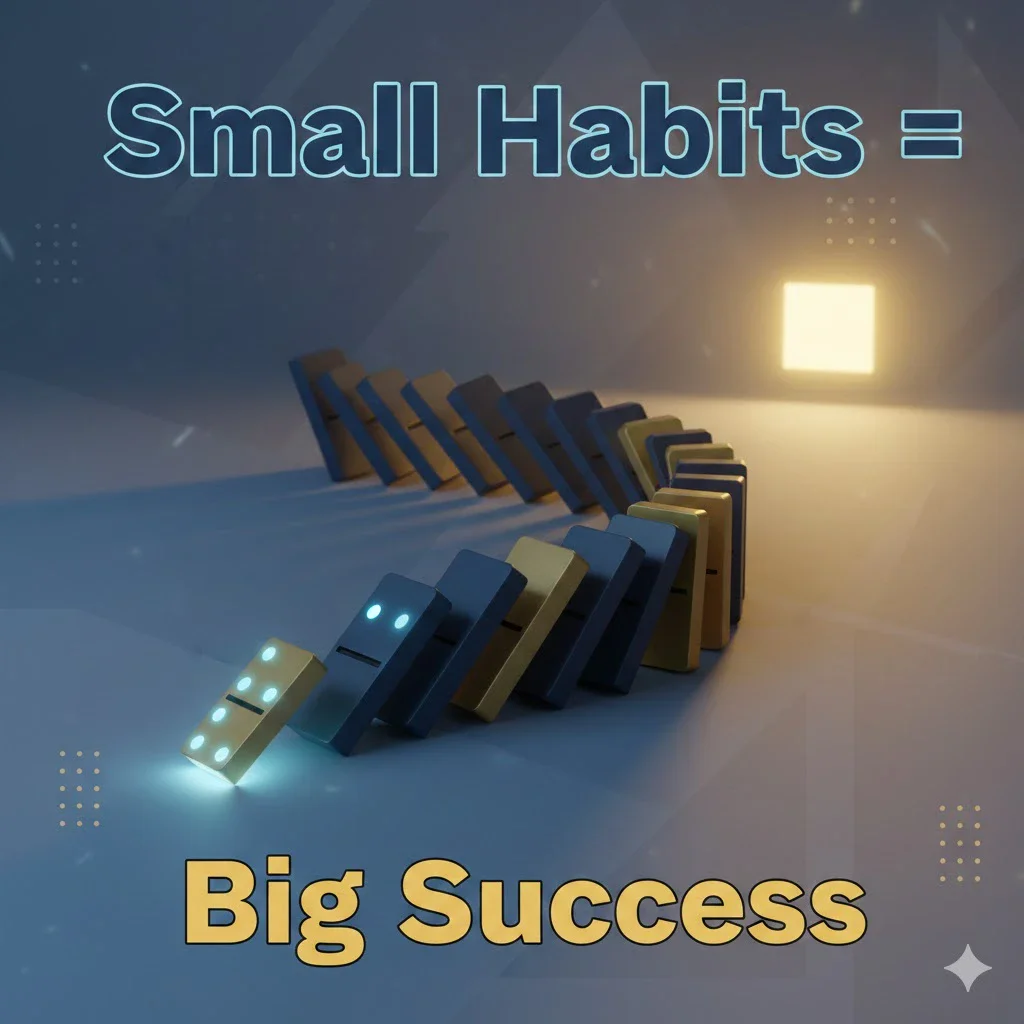
Success is often imagined as the result of massive effort, dramatic change, or rare talent. However, the truth is far more practical and encouraging. Real, lasting success is built on small daily habits repeated consistently over time. Tiny actions—when practiced regularly—create powerful momentum that shapes our character, skills, and future outcomes.
Whether in personal development, career growth, health, or financial stability, small habits act as the foundation for long-term achievement. This article explores how small habits influence success, why they are so powerful, and how you can build them effectively to transform your life.
Understanding the Science Behind Small Habits
The Compounding Effect of Tiny Actions
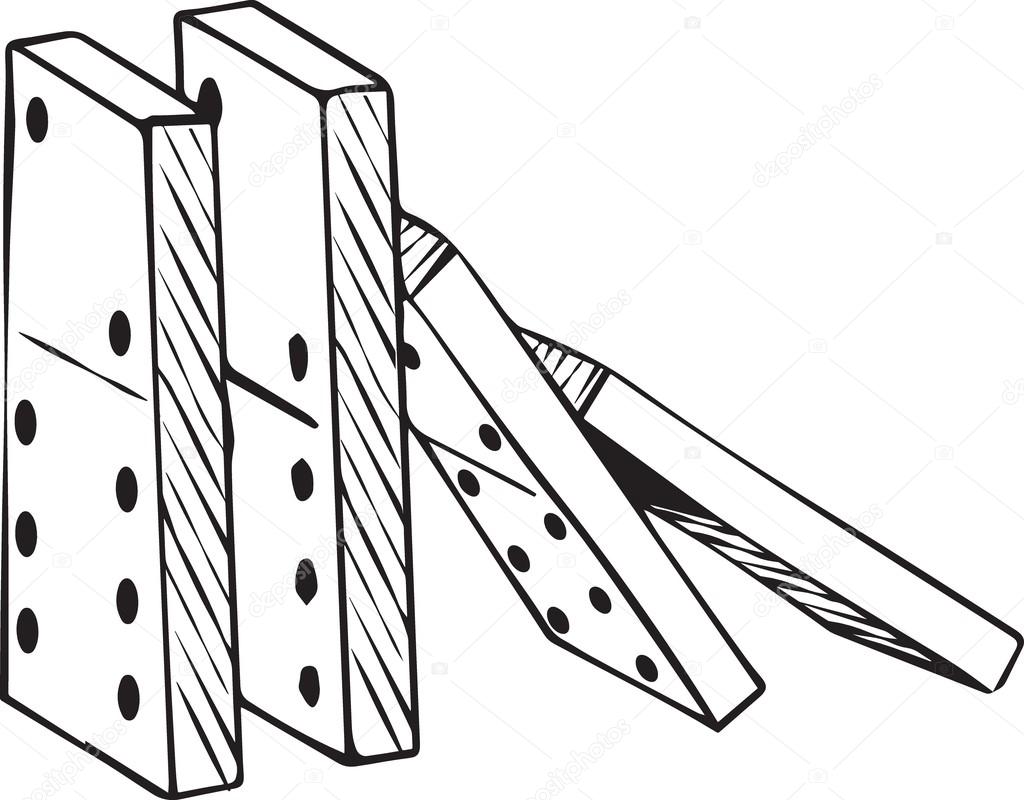
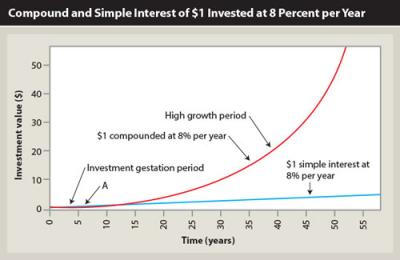

Small habits work because of the compounding principle. Just as money grows through compound interest, personal growth expands through repeated small improvements. Improving slightly every day may feel slow, but over time, the results become extraordinary.
For example:
Reading 10 pages a day equals about 12–15 books per year.
Saving a small amount weekly builds financial security.
Exercising 15 minutes daily improves long-term health significantly.
Consistency transforms ordinary actions into powerful results.
How Habits Shape Identity
According to the book Atomic Habits by James Clear, habits are not just about what we do—they shape who we become. Every small action casts a vote for the type of person we want to be.
If you write daily, you become a writer.
If you train regularly, you become disciplined.
If you practice gratitude, you become positive.
Success begins with identity change, and identity is built through repeated habits.
Why Small Habits Are More Effective Than Big Goals
1. They Reduce Overwhelm
Large goals can feel intimidating. “I want to be successful” or “I want to lose 20 kilograms” may seem impossible at first. But breaking big goals into tiny, manageable actions removes fear and procrastination.
Instead of saying, “I will study three hours daily,” start with 20 minutes. Small steps build confidence and motivation.
2. They Build Momentum
Momentum is powerful. Completing small tasks daily creates a sense of progress. This progress motivates you to continue. Success is less about motivation and more about systems. Small habits create systems that operate even when motivation is low.
3. They Strengthen Discipline
Discipline grows like a muscle. The more you practice small commitments, the stronger your self-control becomes. Over time, difficult tasks feel easier because you’ve trained yourself to act consistently.
Practical Strategies to Build Small Habits
Start Extremely Small

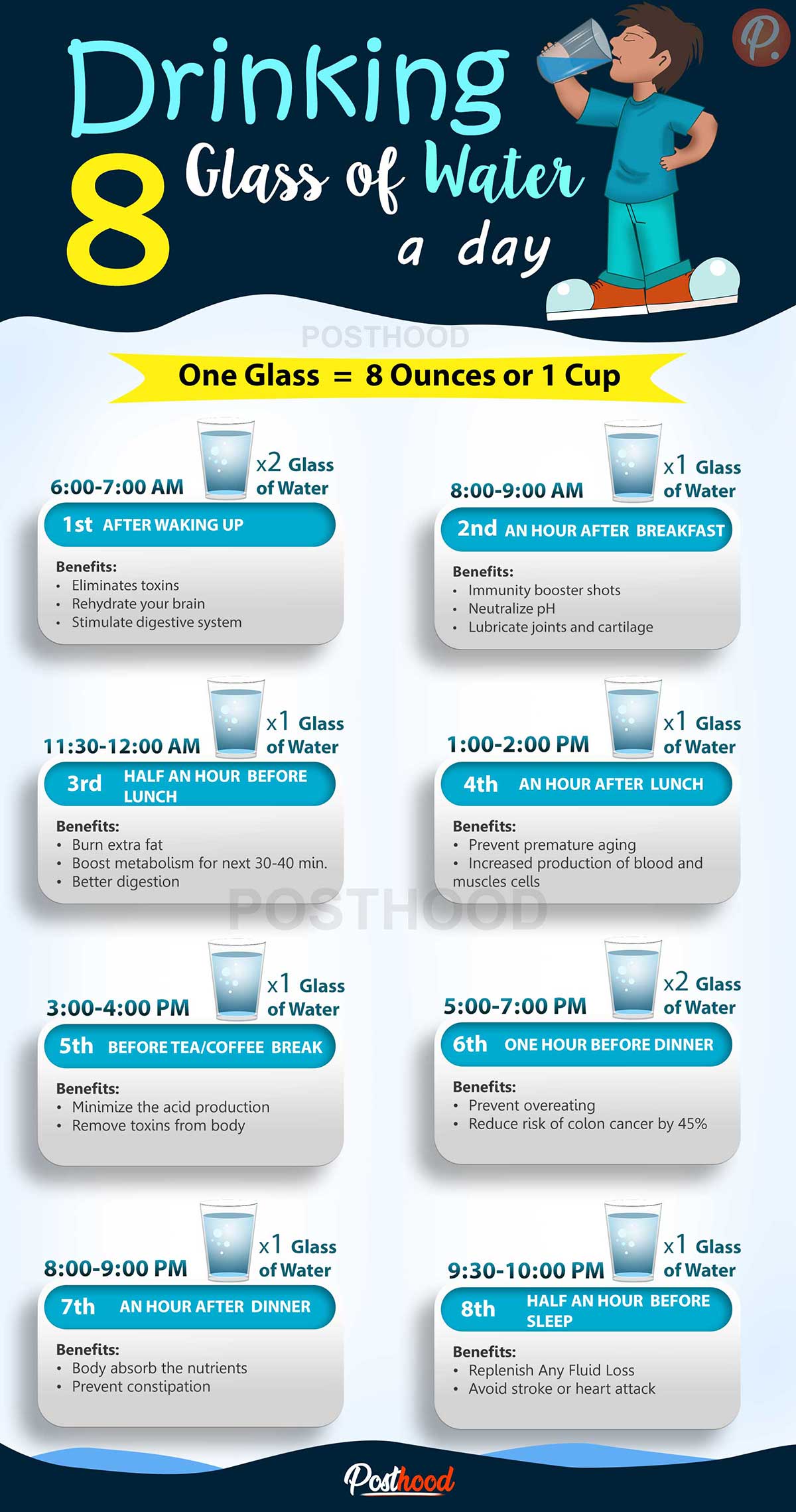
The key to building habits is starting smaller than you think necessary.
Examples:
Do 1 push-up daily.
Write one sentence.
Drink one glass of water each morning.
The goal is not immediate results. The goal is consistency. Once the habit becomes automatic, you can gradually increase the intensity.
Attach Habits to Existing Routines
This technique is called “habit stacking.” You attach a new habit to something you already do daily.
For example:
After brushing your teeth, meditate for one minute.
After drinking coffee, read two pages.
After turning off your alarm, make your bed.
Linking habits to established routines increases the chance of success.
Track Your Progress
Tracking habits increases awareness and accountability. You can use a simple notebook or digital app to mark each completed habit. Seeing a chain of successful days motivates you to continue. The goal becomes: “Don’t break the chain.”
The Psychological Benefits of Small Habits
Increased Confidence
Each completed habit builds trust in yourself. When you consistently keep promises to yourself, your self-confidence grows.
Reduced Stress
Small actions prevent tasks from accumulating. Instead of facing overwhelming pressure, you manage progress daily. This reduces anxiety and improves mental clarity.
Long-Term Motivation
Motivation often fades, but habits remain. When behavior becomes automatic, you no longer rely on willpower. This creates sustainable productivity and steady growth.
Real-Life Areas Where Small Habits Create Success
Health and Fitness



Small daily workouts, healthy food choices, and consistent sleep routines improve physical health dramatically over time. You don’t need extreme diets or intense programs—consistency wins.
Career and Skills
Learning 15 minutes daily can help you master new skills within a year. Reading industry articles, practicing communication, or improving technical abilities daily increases career opportunities.
Financial Growth
Saving small amounts regularly, tracking expenses, and learning basic financial skills build long-term stability. Financial success often begins with simple habits like budgeting and mindful spending.
Overcoming Common Challenges
Dealing with Failure
Missing one day does not destroy progress. The key rule: never miss twice. If you skip a habit today, return tomorrow. Consistency over time matters more than perfection.
Avoiding Perfectionism
Many people quit because they expect fast results. Remember: small habits are about gradual growth. Be patient. Focus on progress, not perfection.
Conclusion
Success is not built overnight. It is built daily. Small habits may seem insignificant, but their impact is extraordinary when practiced consistently. By focusing on tiny improvements, shaping your identity, and building strong systems, you create unstoppable momentum toward your goals.
The path to success is not about dramatic change—it is about daily commitment to small, meaningful actions. Start today with one small habit. Stay consistent. Trust the process. Over time, those tiny actions will transform your life in ways you never imagined.








الرجاء تسجيل الدخول لتتمكن من التعليق