

In this article
Have You Ever Asked Yourself Why We Spend Nearly One-Third of Our Lives Lying in Bed, ?Disconnected from the World
At first glance, you might think it's merely a warrior's rest for a body exhausted by a long day's work. However, the scientific truth is far more astonishing. Sleep is not a "pause button" for humans; rather, it is a highly complex biological maintenance workshop operating with absolute efficiency while we are fast asleep!
The Hidden Lab: What Happens Inside Our Minds at Night?
When you close your eyes, your brain does not enter a state of inactivity as we might assume. Instead, it begins executing a high-precision cleaning and organizing system that includes the following processes:
Memory Consolidation and De-cluttering: The brain transfers important information from short-term to long-term memory, discarding unnecessary details gathered throughout the day.
Biological Brainwashing: Cerebrospinal fluid cleanses nerve cells of toxins and accumulated proteins, a process that protects the mind from cognitive decline as we age.
Release of Growth and Repair Hormones: The body begins repairing damaged tissues, building muscles, and strengthening the immune system.
The Cinema of the Subconscious: Why Do We Really Dream?
For centuries, dreams remained a mystery that fascinated philosophers and scientists alike. Today, neuroscientists explain dreaming through a stage called Rapid Eye Movement (REM) sleep. During REM, brain activity reaches levels nearly identical to being awake, while the body experiences temporary paralysis to prevent us from physically acting out our dreams!
Dreams act as a "free psychotherapist"; they allow the brain to process difficult emotions, stored fears, and daily experiences in a completely safe environment—free from real-world consequences.
The Cost of Staying Up Late: When We Rob Ourselves of Sleep
In an era of endless screen time and relentless speed, sleep has become, for some, a luxury or a waste of time. However, chronic sleep deprivation is like driving a car on an empty fuel tank, and its effects quickly manifest through:
Severe Decline in Focus: Reduced decision-making ability and slower reaction time.
Weakened Immunity: Higher susceptibility to illnesses and infections due to inadequate recovery time.
Mood Swings: Increased levels of anxiety and stress caused by the disruption of mood-regulating hormones.
How to Win the Sleep Battle in the Age of Screens?
To improve your sleep quality and fully restore your energy by morning, you can follow this simple plan:
Turn off screens an hour before bed: The blue light emitted by smartphones tricks the brain into thinking it is still daytime, suppressing the release of the sleep hormone (melatonin).
Maintain a consistent sleep schedule: Going to bed and waking up at the same time every day regulates your biological clock, making it faster and easier to fall asleep.
Optimize your bedroom environment: Ensure your bedroom is dark, quiet, and kept at a cool temperature.
Sleep and dreams are not a withdrawal from life; they are the true secret to sustaining it with full passion and vigor. Give your body the rest it deserves tonight, and you will notice the difference yourself with the very first ray of morning sunlight!
Causes of Insomnia and Sleep Disorders from a Scientific Perspective

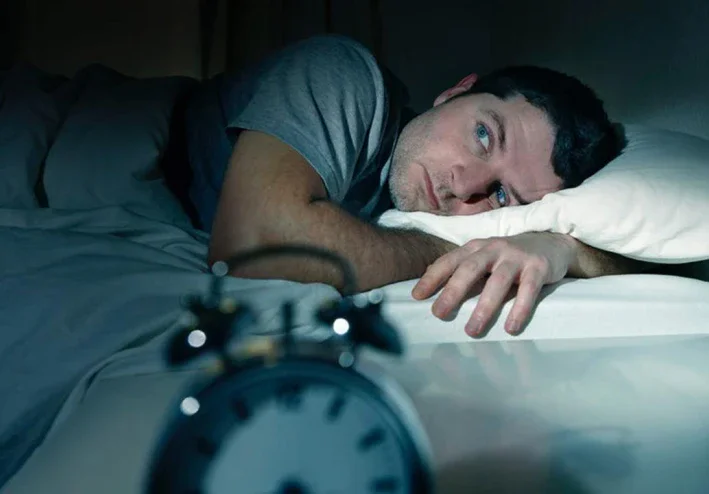
Millions of people around the world suffer from difficulty falling or staying asleep, a condition medically known as insomnia. The causes are manifold and interconnected, spanning psychological, physical, and environmental factors. Chronic stress and anxiety are among the primary triggers that keep the mind in a state of constant hyperarousal, preventing the secretion of melatonin—the hormone responsible for regulating the circadian rhythm.
Furthermore, modern lifestyle plays a pivotal role in exacerbating this issue—particularly pre-bedtime exposure to blue light from electronic screens and excessive caffeine consumption. Physical ailments, such as bone pain and sleep-disordered breathing, also hinder the ability to reach deep sleep stages, leaving a negative impact on bodily health and energy levels the following day.
Report this article
Tell our review team about a problem with this content. Your details will not be shown to the author or other readers.
Your report could not be sent. Please try again later.
Sign in to report an article








Discussion
comments (0)
Share a perspective. Start a thoughtful conversation.
please login to be able to comment