

In this article
Your Body Is Hiding 12 Amazing Secrets — And You Use Them Every Day Without Knowing!
From the surprising connection between your nose and taste to the tiny muscles behind goosebumps, discover 12 fascinating human body facts that reveal how extraordinary your body really is.
Introduction
Have you ever wondered why you get goosebumps when you feel cold, why food tastes different when your nose is blocked, or why your stomach seems to communicate with your brain? Your body performs thousands of remarkable tasks every day, often without you even noticing.
Some of these processes are so unusual that they sound almost unbelievable. Yet science can explain how they happen and why they matter.
In this article, we will explore 12 fascinating human body facts that may change the way you look at yourself. Get ready to discover the surprising secrets hidden inside your everyday movements, senses and reactions.
1. Your Skin Is Much More Than a Protective Cover
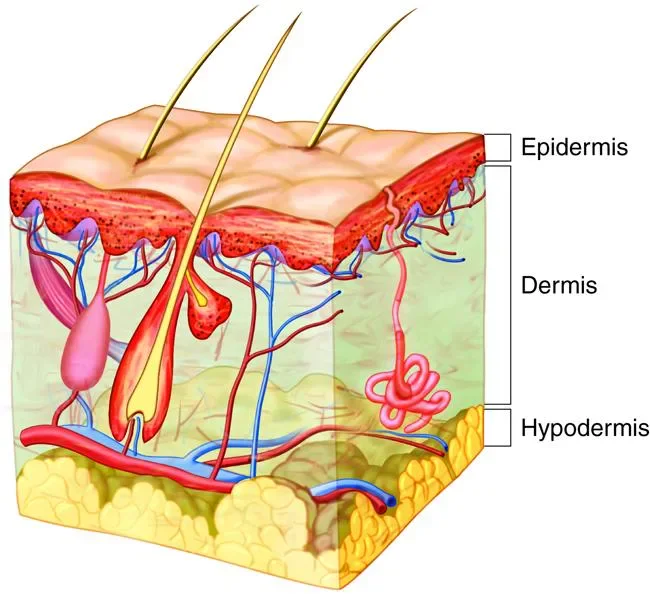
Most people think of skin as simply the outer covering of the body. In reality, it is the body's largest organ and performs several important jobs.
Your skin helps protect you from harmful microorganisms, prevents excessive water loss, allows you to feel touch and pain, and helps regulate your body temperature.
Even more interestingly, skin has three main layers:
- Epidermis: The outer layer that acts as a protective barrier.
- Dermis: The middle layer, containing blood vessels, nerves, hair follicles and sweat glands.
- Hypodermis: The deeper layer, which contains fat and connects the skin with structures underneath.
Your skin is working continuously, even when you are sleeping. It is not simply something you see in the mirror; it is an active part of your body's defence system.
2. Your Nose Has a Secret Connection to Your Memories
Have you ever smelled a particular perfume, a familiar meal or freshly baked bread and suddenly remembered a moment from years ago?
There is a scientific reason why this happens.
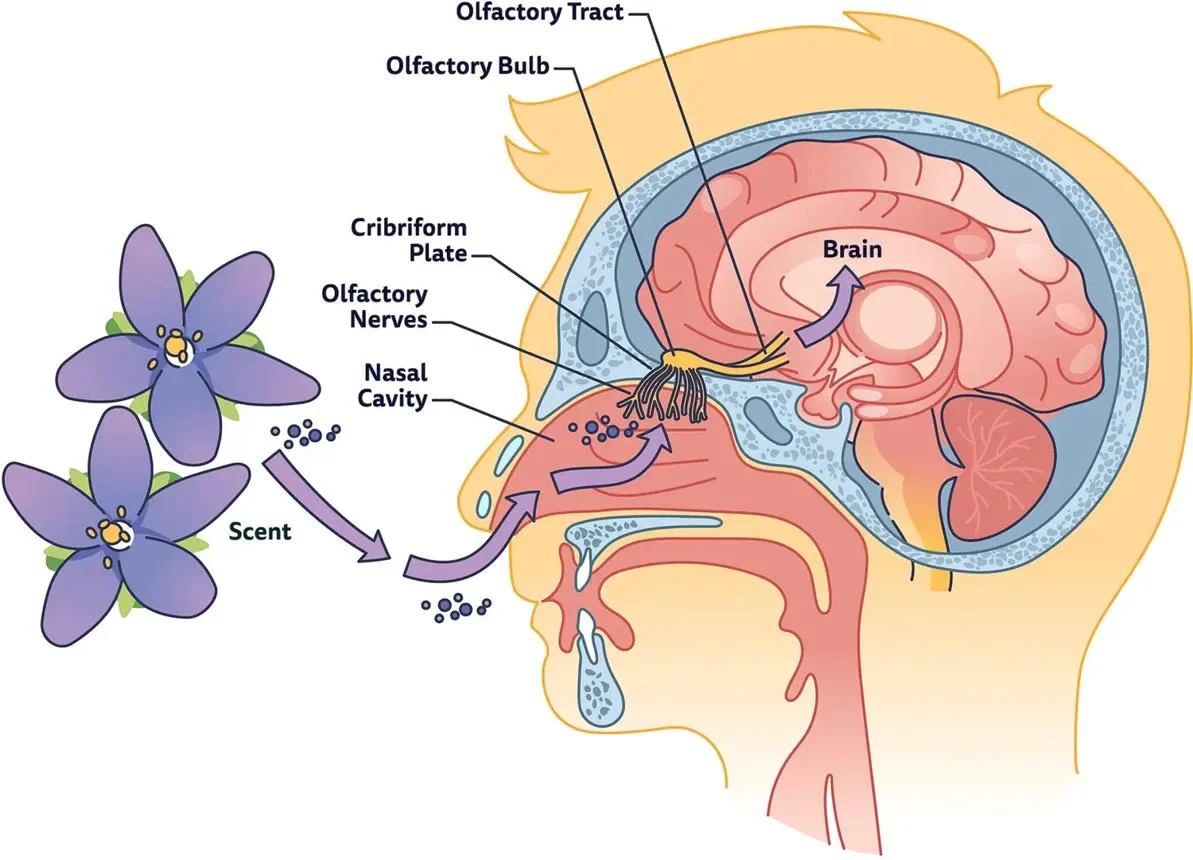
Your sense of smell is closely connected to brain areas involved in emotion and memory. When you breathe in an odour, tiny molecules stimulate specialised sensory cells high inside your nose. These cells send signals to your brain, which helps identify the smell.
This is why a familiar scent can sometimes bring back a powerful memory or feeling.
A simple smell can remind you of a childhood home, a family gathering or a place you have not visited for years.
3. Why Does Food Taste Different When Your Nose Is Blocked?
Imagine eating your favourite meal while you have a cold. You can still recognise whether something is sweet, salty or sour, but the food may seem much less flavourful.
Why?
Because what we call flavour is not produced by the tongue alone. Your sense of smell plays a major role in recognising the full flavour of food.
When you chew, aromas travel from the back of your mouth towards the sensory area inside your nose. If your nose is blocked, many of those aromas cannot reach the smell receptors properly.
That is why chocolate, coffee, fruit and other familiar foods may seem less enjoyable when you have a stuffy nose.
The surprising part: Your nose helps your brain understand what you are eating, even when you think your tongue is doing all the work.
4. Your Taste Buds Are Constantly Being Renewed
Your tongue contains tiny structures called taste buds, which help you recognise different tastes.
Adults typically have around 2,000 to 4,000 taste buds, although the number varies between individuals.
Even more fascinating, the sensory cells responsible for detecting taste are continually renewed. Research describes their replacement as a process that happens regularly, with many taste cells renewed in approximately a week.
Scientists recognise at least five basic taste qualities:
- Sweet
- Sour
- Salty
- Bitter
- Umami, often described as a savoury or meaty taste
So the next time you enjoy a meal, remember that the cells helping you experience its taste are part of a continuously maintained sensory system.
5. Your Brain and Your Gut Are Constantly Communicating
Have you ever felt butterflies in your stomach before an important event?
Or noticed that stress can affect your appetite or digestion?
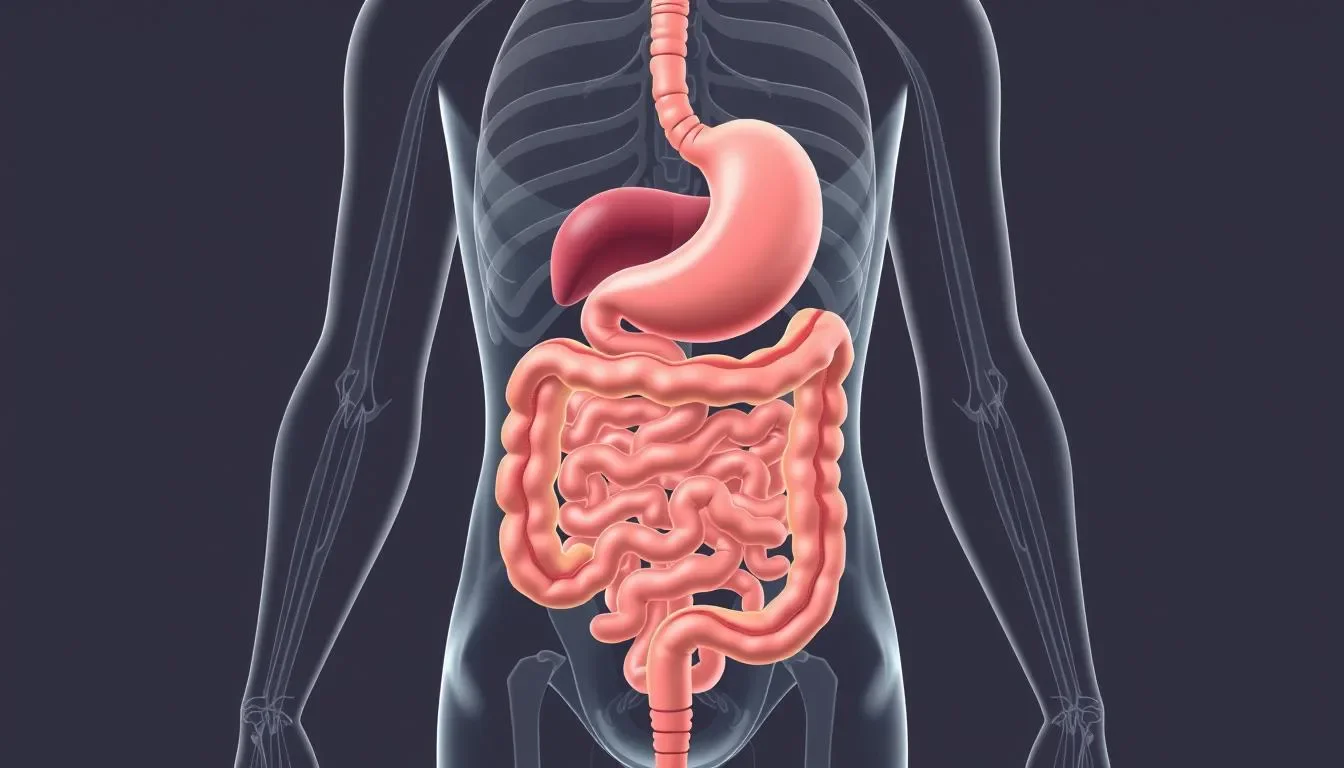
This is not just imagination. Your digestive system and brain communicate through a complex network of nerves and chemical signals.
The digestive tract has its own network of nerves, known as the enteric nervous system. It helps control digestive movements and communicates with the central nervous system.
Your digestive organs also release hormones that help regulate hunger, fullness and digestive activity.
This explains why emotions, stress and other experiences can sometimes influence how your stomach feels.
Your gut is not simply a place where food is processed. It is part of a much larger communication system inside your body.
6. Goosebumps Are an Ancient Body Reaction
Why does your skin suddenly develop tiny bumps when you feel cold or experience a powerful emotion?
The answer lies in very small muscles connected to your hair follicles.
These muscles are called arrector pili muscles. When they contract, they pull individual hairs upright and create the familiar appearance of goosebumps.
In furry animals, raising the hair can help trap a layer of air close to the skin, providing additional insulation.
Humans have much less body hair, so this reaction does not provide the same warming benefit.
It is a fascinating reminder that some of our body's automatic reactions are connected to biological mechanisms that are more useful in other animals.
7. A Hiccup Is More Complicated Than It Sounds
Almost everyone has experienced hiccups, sometimes at the most inconvenient moment.
But what actually happens when you hiccup?
A hiccup begins with an involuntary movement or spasm of the diaphragm, the main muscle involved in breathing.
Immediately afterwards, your vocal cords close quickly. This produces the familiar sound that gives a hiccup its name.
Hiccups can happen for several reasons, including eating too quickly, eating too much, drinking carbonated beverages or experiencing excitement.
Most ordinary hiccups disappear within a few minutes without treatment.
So that little sound is actually the result of a sudden sequence of muscular movements involving your breathing system.
8. Your Body Has Its Own Temperature-Control System
Your body works continuously to keep its internal temperature within a suitable range.
When you become too warm, your nervous system activates responses that help release heat.
Two important examples are sweating and changes in blood flow through the skin.
As sweat evaporates from your skin, it carries heat away from your body. At the same time, blood vessels near the skin can widen, allowing more heat to escape.
When you become cold, your body responds differently. Blood vessels near the skin narrow to reduce heat loss, while shivering helps produce additional heat through muscle activity.
These processes happen automatically, without you needing to consciously control them.
9. Your Brain Is Surrounded by Protective Fluid
Your brain is protected by more than just your skull.
It is also surrounded by a clear fluid called cerebrospinal fluid, commonly abbreviated as CSF.
This fluid circulates around the brain and spinal cord and performs several important functions.
It helps cushion the central nervous system against mechanical forces, supports the delivery of nutrients and helps remove waste products.
Think of it as part of the body's natural protective environment for one of its most important organs.
Without this specialised fluid system, the brain and spinal cord would be much more vulnerable to physical stress.
10. Your Bladder Can Sense When It Is Getting Full
Your bladder does more than simply store urine.
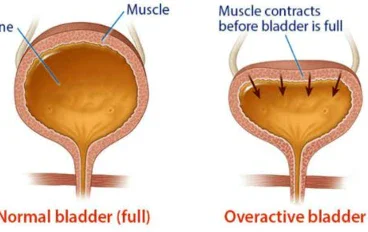
As it fills, its walls stretch. Special sensory pathways detect this stretching and send signals to your nervous system.
Your brain interprets these signals and helps create the sensation that you need to urinate.
You may not think about this communication process during an ordinary day, but it is an important example of how organs inside your body can detect changes and communicate with the brain.
It also helps explain why the feeling of needing to use the bathroom becomes stronger as the bladder fills.
11. Your Digestive System Uses Muscular Waves to Move Food
Swallowing a meal is only the beginning of a long journey.
After food leaves your mouth, it travels through the oesophagus and into your stomach before moving through the intestines.
But how does food move through this long digestive tract?
Your digestive system uses coordinated muscular contractions called peristalsis.
These wave-like movements help push food and digestive contents forward through the digestive tract.
This process is largely automatic. You do not need to think about moving every mouthful through your digestive system.
Your body handles this complicated journey while you concentrate on other things.
12. Your Sense of Flavour Is a Combination of Several Senses
You might believe that tasting food is simply a job for your tongue, but the experience is much more complicated.
The flavour of food is influenced by several factors, including:
- Taste signals from your tongue.
- Smell signals from your nose.
- The texture of food.
- Its temperature.
- Sensations such as the burning feeling caused by chilli.
For example, mint can create a cooling sensation, while chilli can produce a burning feeling.
These sensations involve specialised sensory pathways, not just the basic taste categories.
This is why eating is such a complex experience: your brain combines information from different senses to create what you recognise as flavour.
Conclusion:
Your Body Is More Extraordinary Than You Think
The human body is full of fascinating processes that happen every moment, even when you are not paying attention.
From the connection between smell and memory to the automatic movements of your digestive system, each of these discoveries reveals how different organs and senses work together.
The most surprising thing is that these are only a few examples of what happens inside you every day.
The next time you get goosebumps, experience hiccups, enjoy your favourite meal or remember something because of a familiar smell, take a moment to appreciate the remarkable biological systems making it possible.
Which of these 12 human body facts surprised you the most? Share your answer and tell us about another unusual body fact you have discovered.
Disclaimer: This article is for general educational purposes only and is not a substitute for professional medical advice. Individual biological processes can vary from person to person.
Thanks be to God, Lord of all worlds.
Keep up with Ahmed Ahmed
Choose site notifications, email, or both. Guests can subscribe by email without an account.
Report this article
Tell our review team about a problem with this content. Your details will not be shown to the author or other readers.
Your report could not be sent. Please try again later.
Sign in to report an article






Discussion
comments (0)
Share a perspective. Start a thoughtful conversation.
please login to be able to comment