

في هذا المقال
How to Save Electricity in Australia and Lower Your Power Bills: 15 Practical Tips for Every Household
Discover practical Australian energy-saving tips to reduce electricity costs, choose cheaper energy plans, improve home efficiency and manage household power consumption throughout the year.
Introduction
Electricity bills can take a significant part of a household budget in Australia. Whether you live in Sydney, Melbourne, Brisbane, Perth or a smaller regional town, finding ways to reduce electricity consumption can make a real difference to your monthly expenses.
The good news is that saving electricity does not always require expensive solar panels, new appliances or major home renovations. Small changes to everyday habits, better energy choices and a closer look at your electricity plan can help you manage your power costs.
In this guide, you will discover 15 practical ways to save electricity in Australia, including tips for heating, cooling, lighting, cooking, laundry and choosing an energy provider. These ideas are suitable for homeowners and renters who want to reduce power bills without making their homes uncomfortable.
1. Understand What Is Increasing Your Electricity Bill
Before changing your habits, take a few minutes to understand where your electricity is going.
Many Australian households spend a considerable amount of energy on heating and cooling, hot water, refrigerators, washing machines and other household appliances.
Start by checking your latest electricity bill. Look for:
- Your total electricity consumption in kilowatt-hours (kWh).
- The price you pay per kWh.
- Your daily supply charge.
- Your billing period.
- Any peak, off-peak or shoulder rates.
- Discounts, credits and additional charges.
Compare your latest bill with the same period last year. This can help you identify whether your electricity consumption has increased because of seasonal changes or everyday habits.
Practical tip: Keep a record of your electricity usage every billing period. This makes it easier to see whether your energy-saving efforts are actually working.
2. Use Your Air Conditioner More Efficiently
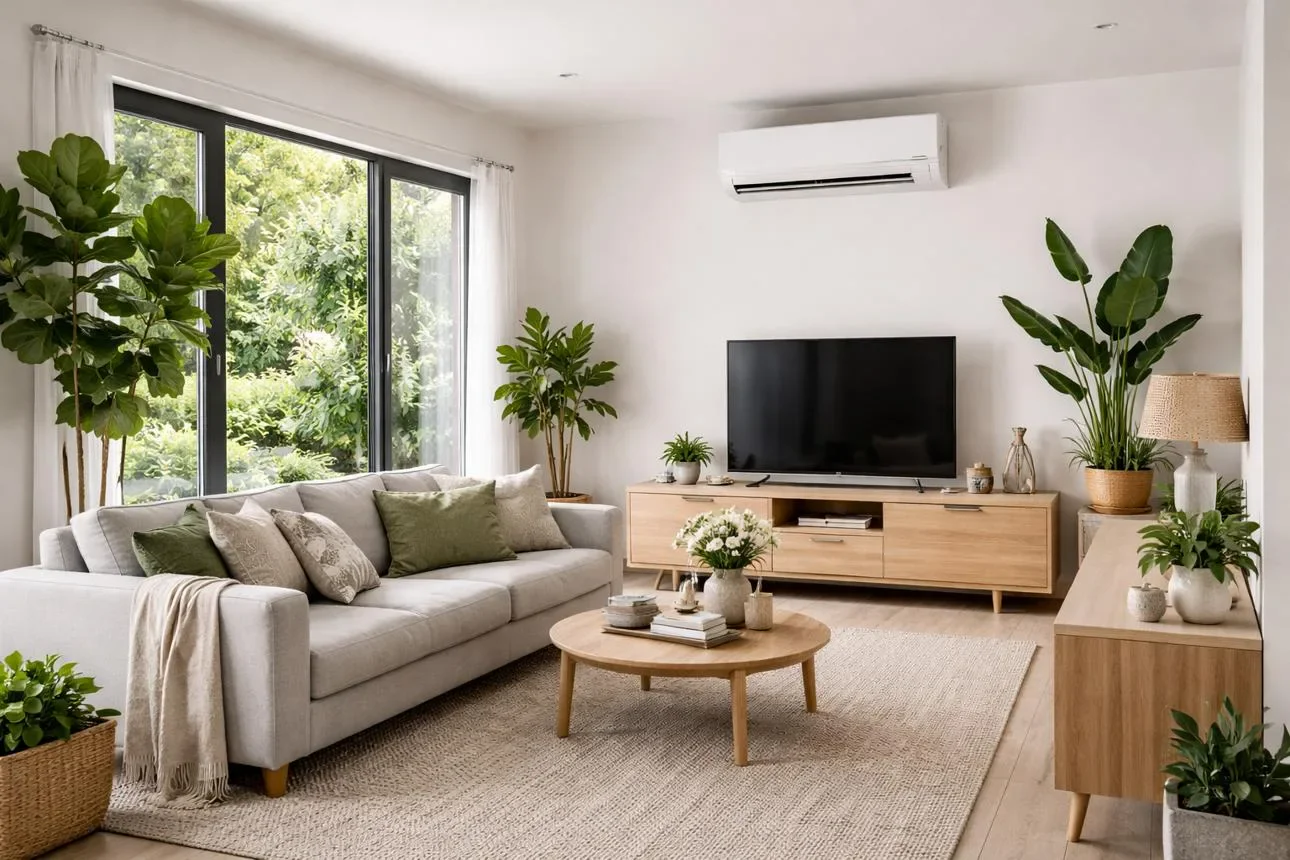
Heating and cooling can represent a large share of household energy use in Australia. The amount depends on your climate, home design and the equipment you use.
During hot Australian summers, air conditioning can become one of the biggest contributors to electricity costs.
Here are some practical ways to use it more efficiently:
- Set your air conditioner to a comfortable temperature rather than making the room extremely cold.
- Close doors and windows while cooling a room.
- Clean air conditioner filters according to the manufacturer's instructions.
- Use ceiling or portable fans when they provide enough comfort.
- Close curtains and blinds during the hottest parts of the day.
- Avoid cooling rooms that nobody is using.
The Australian Government recommends considering thermostat settings around 25°C to 27°C for cooling, depending on personal comfort and conditions.
A few adjustments can help reduce unnecessary electricity consumption while keeping your home comfortable.
3. Reduce Heating Costs During Winter
Australian winters can be cold, especially in parts of Victoria, Tasmania, New South Wales and the Australian Capital Territory.
Running heaters for long periods can increase electricity bills, but there are ways to stay warm without wasting energy.
Try these ideas:
- Heat only the rooms you use.
- Close doors to unused rooms.
- Use curtains to reduce heat loss through windows.
- Wear warm clothing and use suitable bedding.
- Seal gaps around doors and windows where appropriate.
- Set your heater to a comfortable temperature.
For many households, the Australian Government suggests a heating thermostat setting between 18°C and 20°C.
If you rent your home, inexpensive draught stoppers and suitable curtains may be useful options that do not require permanent modifications.
4. Switch to Energy-Efficient LED Lighting
Lighting is another area where households can reduce electricity consumption.
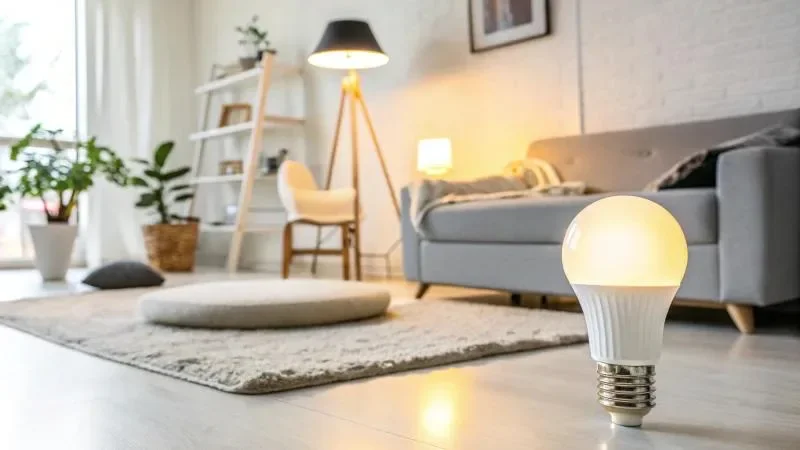
Older incandescent light bulbs generally use much more electricity than modern LED alternatives.
Consider replacing frequently used traditional bulbs with quality LED lights.
You can also:
- Turn off lights when leaving an empty room.
- Use natural daylight whenever possible.
- Choose task lighting instead of illuminating an entire room.
- Install motion sensors for suitable outdoor areas.
- Avoid leaving unnecessary decorative lights switched on.
LED lighting can use substantially less electricity than traditional incandescent lighting and generally lasts longer.
Although replacing every light immediately may not be necessary, starting with the bulbs you use most often is a practical approach.
5. Choose Energy-Efficient Household Appliances
A cheap appliance is not always the cheapest option in the long run.
Some refrigerators, washing machines, dryers and dishwashers can consume significantly more electricity than efficient alternatives.
Before buying a new appliance, check its Australian Energy Rating Label.
Look at:
- The number of energy stars.
- Estimated annual energy consumption.
- Appliance size and capacity.
- Expected running costs.
- Features that match your actual needs.
A larger appliance is not necessarily better if your household does not need its extra capacity.
You can also use the Australian Government's Energy Rating resources to compare products before making a purchase.
6. Reduce Electricity Consumption When Washing Clothes
Laundry can contribute to household electricity costs, particularly when washing machines and clothes dryers are used frequently.
You do not need to stop using these appliances to save electricity.
Instead, make a few simple changes:
- Wash full loads whenever practical.
- Choose cold-water washing when suitable for the clothes.
- Use an efficient washing cycle.
- Avoid unnecessary extra washing cycles.
- Clean the machine according to its instructions.
- Dry clothes outside when the weather allows.
Clothes dryers can consume considerable electricity, so using a clothesline when possible is a simple way to reduce unnecessary energy use.
If you regularly use a dryer, compare the energy consumption of different models when it is time to replace it.
7. Save Electricity in the Kitchen
The kitchen contains several appliances that may be used every day, including refrigerators, freezers, ovens, microwaves, kettles and dishwashers.
You can reduce unnecessary electricity consumption by changing a few habits.
Refrigerator and freezer
- Avoid opening the refrigerator door unnecessarily.
- Check that door seals are working properly.
- Keep enough space around the appliance for ventilation.
- Avoid placing the refrigerator next to an oven or another heat source.
- Do not operate additional refrigerators unless you really need them.
Cooking appliances
- Use lids on pots and pans while cooking.
- Boil only the amount of water you need.
- Use a microwave for suitable smaller meals.
- Avoid opening the oven repeatedly.
- Turn appliances off when cooking is finished.
Dishwasher
Run your dishwasher when it has a full load and use an appropriate energy-saving setting if available.
These small changes can help reduce waste without making everyday cooking more difficult.
8. Turn Off Appliances That Are Not Being Used
Some electronic devices continue drawing electricity when they are in standby mode.
Examples include:
- Televisions.
- Gaming consoles.
- Desktop computers.
- Printers.
- Speakers.
- Chargers and other electronic equipment.
Check which appliances can safely be switched off at the power point when they are not needed.
However, do not disconnect refrigerators, freezers, medical equipment, security systems or other devices that must remain powered.
A simple habit of checking unnecessary standby devices can help prevent wasted electricity.
9. Compare Electricity Plans Before Choosing a Provider
Reducing electricity consumption is important, but the price you pay for electricity also matters.
Different Australian energy retailers may offer different electricity rates, supply charges and contract conditions.
That means two households using similar amounts of electricity may receive different bills because they are on different plans.
Before switching providers, compare:
- Electricity usage rates.
- Daily supply charges.
- Peak and off-peak prices.
- Discounts and their conditions.
- Contract terms.
- Estimated annual costs.
The Australian Government provides a free comparison service called Energy Made Easy.
Victorian residents can use the Victorian Energy Compare service.
Availability of retailers and comparison services depends on the state or territory where you live.
Do not choose a plan simply because it advertises a large discount. Compare the estimated total cost using your actual electricity usage.
10. Understand Peak and Off-Peak Electricity Rates
Some electricity plans charge different prices depending on the time of day.
These plans are often called time-of-use tariffs.
They may include:
- Peak periods, when electricity is more expensive.
- Shoulder periods, with intermediate prices.
- Off-peak periods, when electricity may be cheaper.
If your plan offers cheaper off-peak electricity, you may be able to reduce costs by moving certain activities to cheaper periods.
For example:
- Running the washing machine later.
- Using a dishwasher during cheaper periods.
- Charging suitable devices outside peak times.
However, the cheapest hours differ between retailers and plans. Always check your actual tariff before changing your routine.
11. Reduce Hot Water Electricity Costs
Heating water can account for a substantial portion of household energy consumption.
There are several practical ways to reduce hot water use:
- Take shorter showers.
- Install an appropriate water-efficient showerhead.
- Wash clothes using cold water when suitable.
- Avoid unnecessary hot-water use.
- Check your hot-water system's settings and maintenance requirements.
If you have an electric storage hot-water system, ask your energy retailer whether an off-peak arrangement is available.
If you are considering replacing your hot-water system, compare the long-term running costs of suitable efficient alternatives.
12. Make Your Home More Energy Efficient
You do not necessarily need a major renovation to improve your home's energy efficiency.
Small improvements can help keep warm air inside during winter and reduce unwanted heat entering during summer.
Consider:
- Sealing suitable gaps around windows and doors.
- Installing curtains or blinds.
- Using external shading where practical.
- Improving ceiling insulation when appropriate.
- Keeping doors closed between different temperature zones.
Renters should check with their landlord or property manager before making permanent changes.
A more energy-efficient home can improve comfort and help reduce the amount of heating and cooling required.
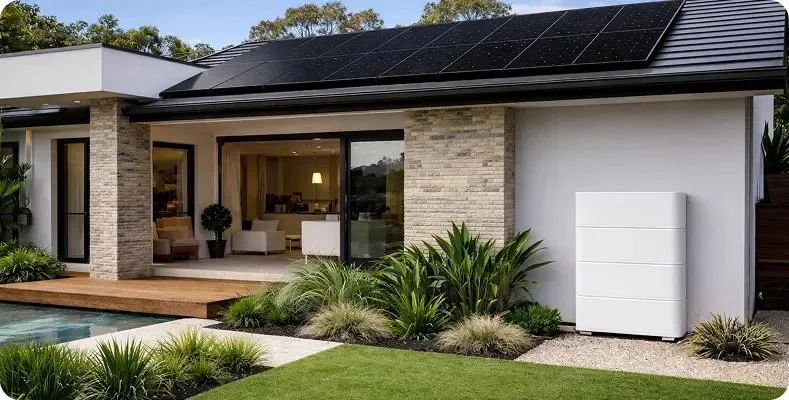
13. Consider Solar Panels and Home Batteries
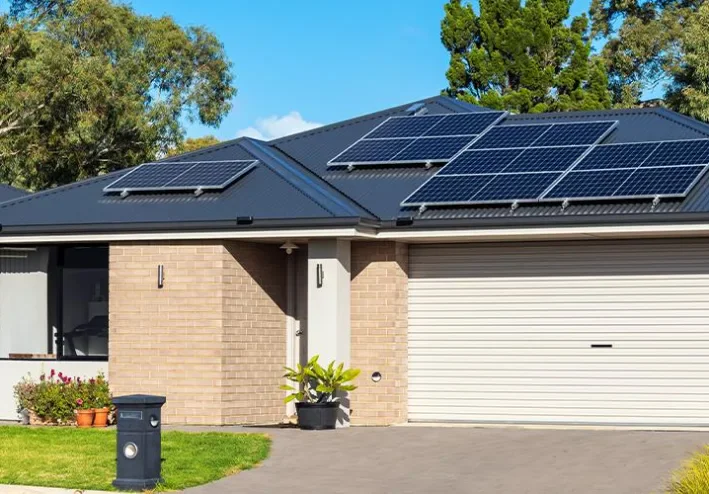
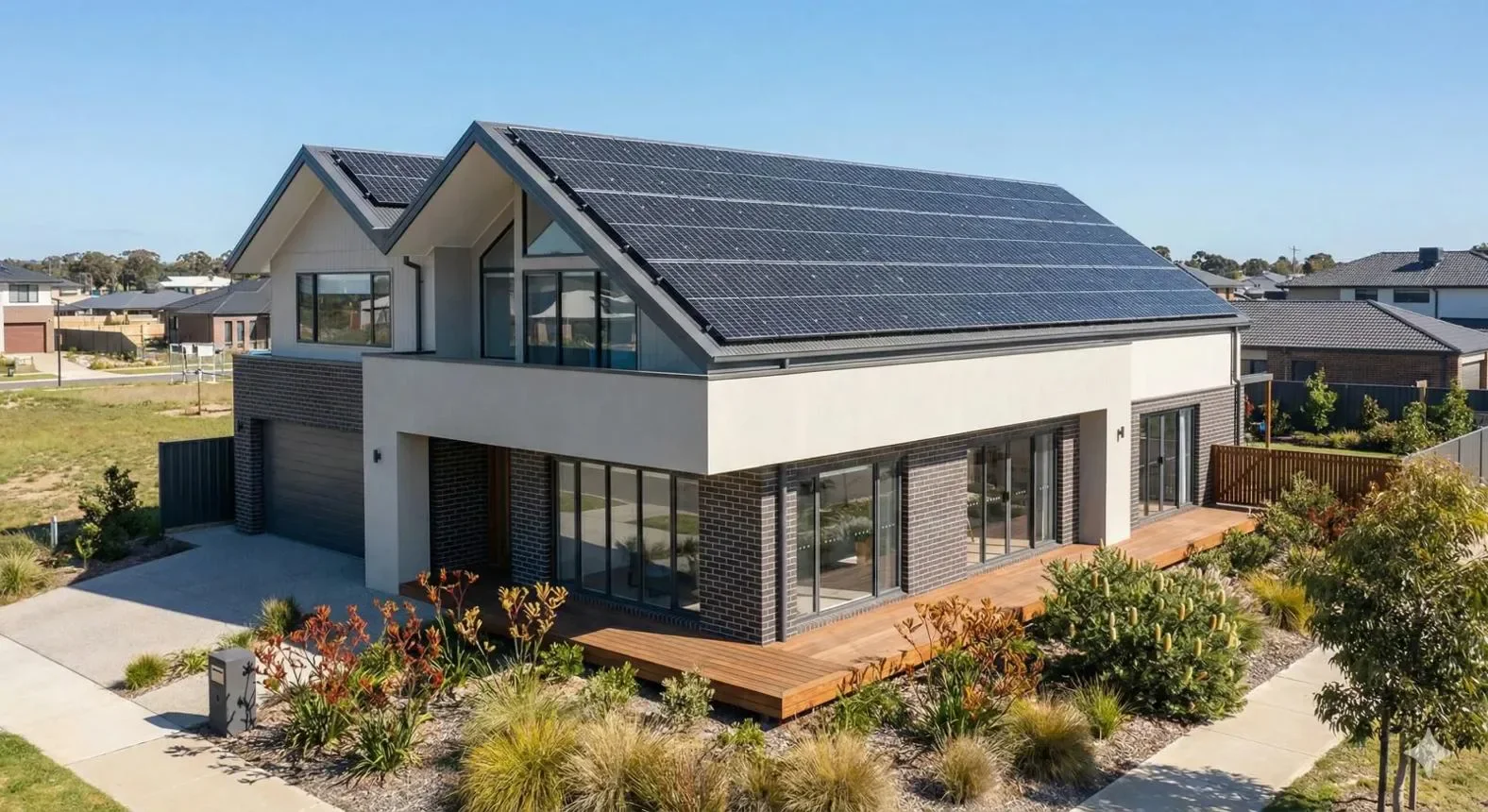
Solar panels can be an option for Australian households looking to reduce their reliance on electricity purchased from the grid.
However, solar is not automatically the best financial decision for every household.
Before installing a system, consider:
- The initial installation cost.
- Your roof's direction and condition.
- The amount of sunlight your property receives.
- Your household's daytime electricity use.
- Available solar feed-in tariffs.
- Installation warranties.
- Maintenance and replacement costs.
Home batteries can store some of the electricity generated during the day for later use.
However, their cost and financial benefits depend on your household's usage patterns and the system you choose.
Research your options carefully and obtain independent information before making a major investment.
14. Check Government Energy Rebates and Assistance
Australian households may be eligible for different energy rebates, concessions or assistance programs.
These programs can vary between states and territories and may depend on household circumstances.
Useful places to start include:
- Your state or territory government website.
- The Australian Government's energy information website.
- Your electricity retailer.
- Official information about household energy upgrades.
If you are struggling to pay your electricity bills, contact your energy retailer as soon as possible.
Ask whether payment plans, hardship programs or available assistance options can help you manage the bill.
Do not assume that every rebate is available to every household. Check the eligibility requirements and current conditions before applying.
15. Create a Simple Monthly Electricity-Saving Routine
The easiest way to maintain lower electricity consumption is to make energy-saving habits part of your normal routine.
Here is a simple monthly checklist:
- Review your latest electricity bill.
- Compare your usage with previous billing periods.
- Check your electricity plan.
- Clean appliance filters where required.
- Check refrigerator and freezer seals.
- Turn off unnecessary standby devices.
- Use heating and cooling efficiently.
- Look for available government assistance.
- Identify one additional way to reduce unnecessary electricity use.
You do not have to change everything at once. Start with the easiest improvements and gradually build better habits.
Conclusion: Start Saving Electricity in Australia Today
Learning how to save electricity in Australia is not just about switching off lights. It involves understanding your energy bill, choosing an appropriate electricity plan, using household appliances efficiently and making better decisions about heating, cooling and hot water.
The most effective approach is to start with changes that suit your household, budget and lifestyle.
Whether you are renting an apartment or owning a family home, small improvements can help you reduce unnecessary electricity consumption and manage your power bills more effectively.
Start with one or two practical changes today, review your electricity usage over the next billing period and build from there. Consistent habits are often more useful than expensive upgrades that do not suit your needs.
Disclaimer: This article provides general educational information. Electricity prices, government rebates and energy plans can change and vary across Australia. Check official sources and your current energy contract before making financial decisions.
Thanks be to God, Lord of all worlds .
تابع جديد Ahmed Ahmed
اختر إشعارات الموقع أو البريد أو الاثنين. الزائر يقدر يشترك ببريده دون تسجيل حساب.
الإبلاغ عن المقال
لو لاحظت مشكلة في المحتوى، أرسلها لفريق المراجعة. لن تظهر بياناتك لكاتب المقال أو للقراء.
تعذّر إرسال البلاغ الآن. حاول مرة أخرى لاحقًا.
سجّل الدخول لإرسال بلاغ






النقاش
التعليقات (0)
فكرة تضيفها، أو سؤال يفتح حوارًا.
الرجاء تسجيل الدخول لتتمكن من التعليق