

في هذا المقال
Why Do Cats Purr? Understanding the Meaning Behind Cat Purring
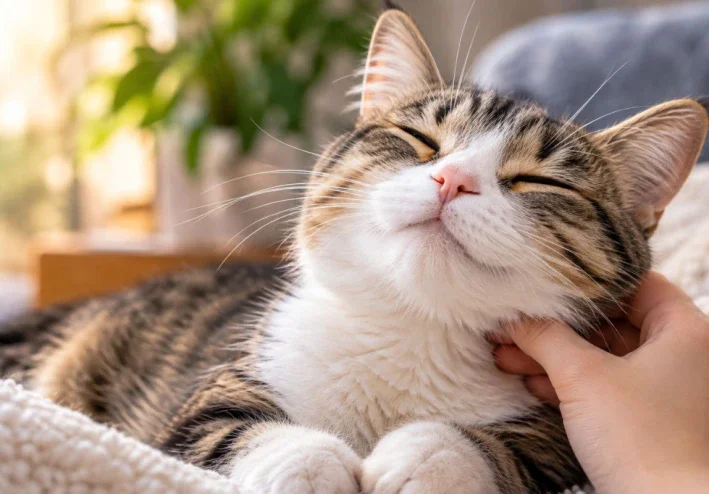
Why do cats purr? Understanding the meaning behind cat purring can help cat owners better recognize what their pets may be feeling. Although purring is often associated with happiness and relaxation, cats can also purr in other situations. Sometimes, it can be a form of communication or a way to seek comfort. In this article, we will explore the main reasons cats purr and explain how their body language can help you understand this fascinating cat behavior.
What Is Cat Purring?
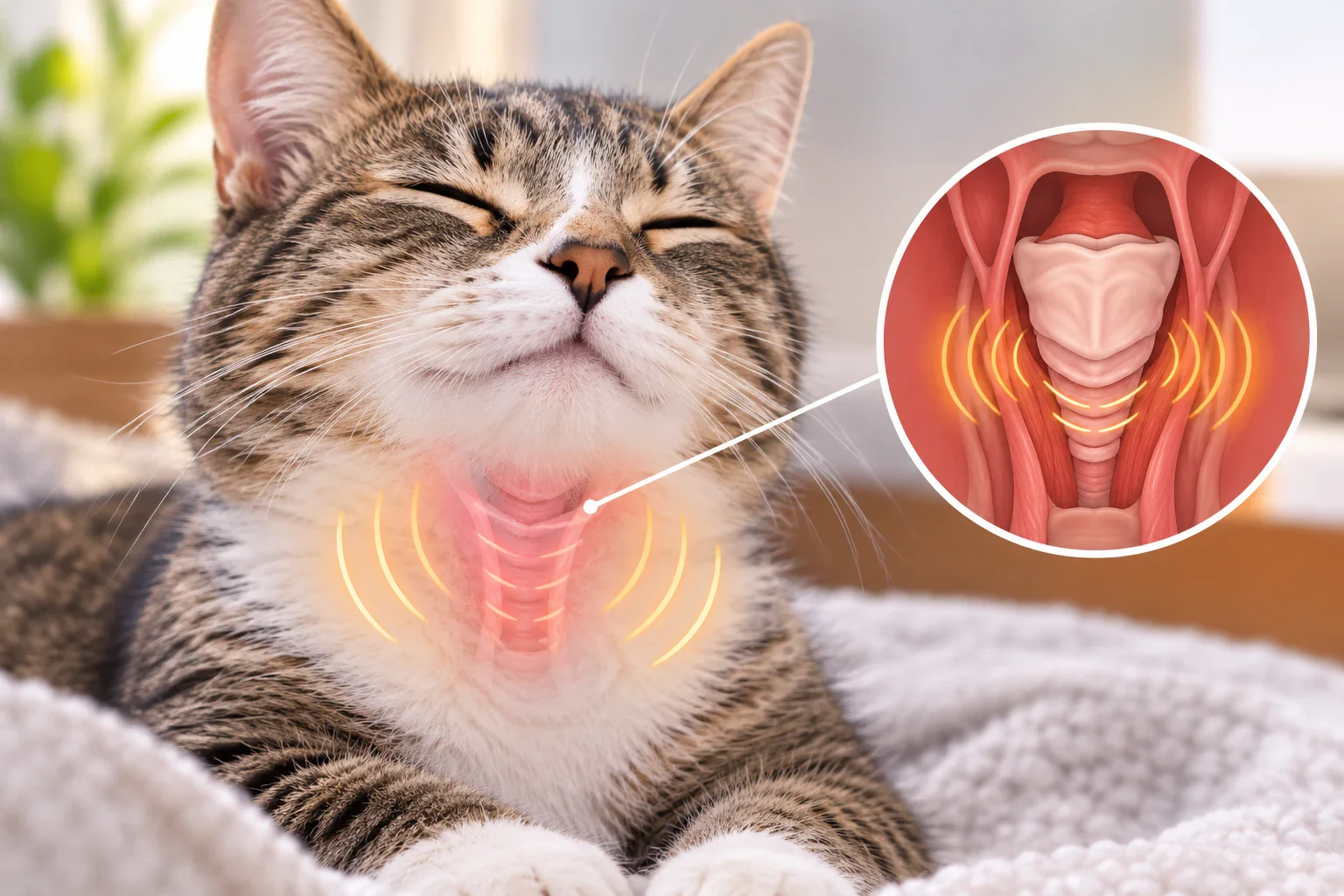
Cat purring is a soft, rhythmic vibrating sound produced through movements involving the cat’s voice box as it breathes. Most cats can purr while breathing both in and out, creating the familiar continuous sound.
But what does cat purring mean? The answer depends on the situation. A relaxed cat lying beside its owner may purr for a very different reason than a frightened cat visiting a veterinarian. For this reason, the sound should always be considered together with the cat’s body language and behavior.
Why Do Cats Purr When They Are Happy ?
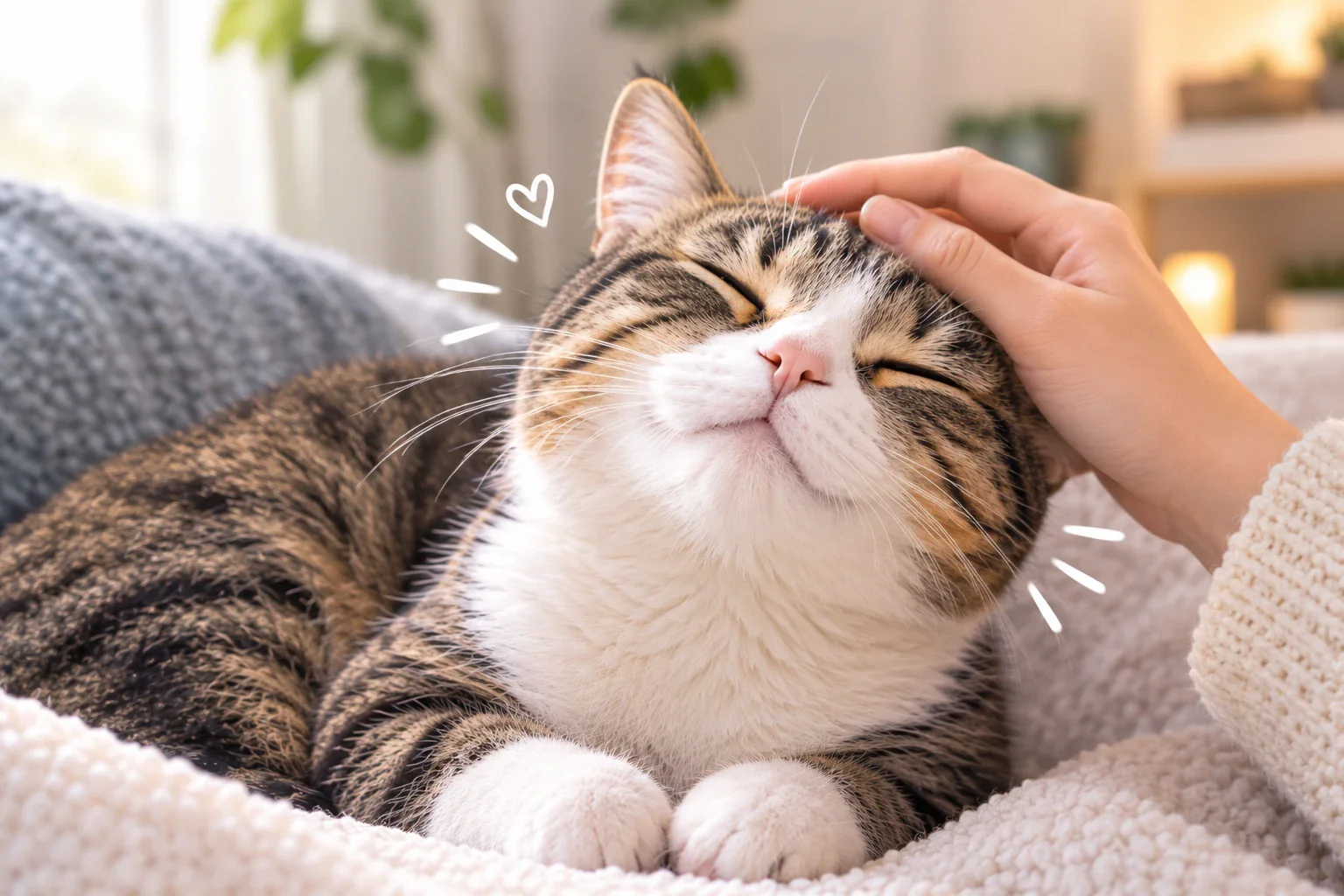
One of the most common reasons cats purr is contentment. A cat may start purring while being gently petted, resting on a favorite blanket, sleeping beside its owner, or enjoying a peaceful environment.
Other signs can help confirm that a cat is happy. Relaxed muscles, half-closed eyes, normal breathing, a comfortable posture, and gentle movements usually indicate that the cat feels safe. Some cats may also knead with their paws while purring when they are especially comfortable.
Do Cats Purr to Show Affection ?
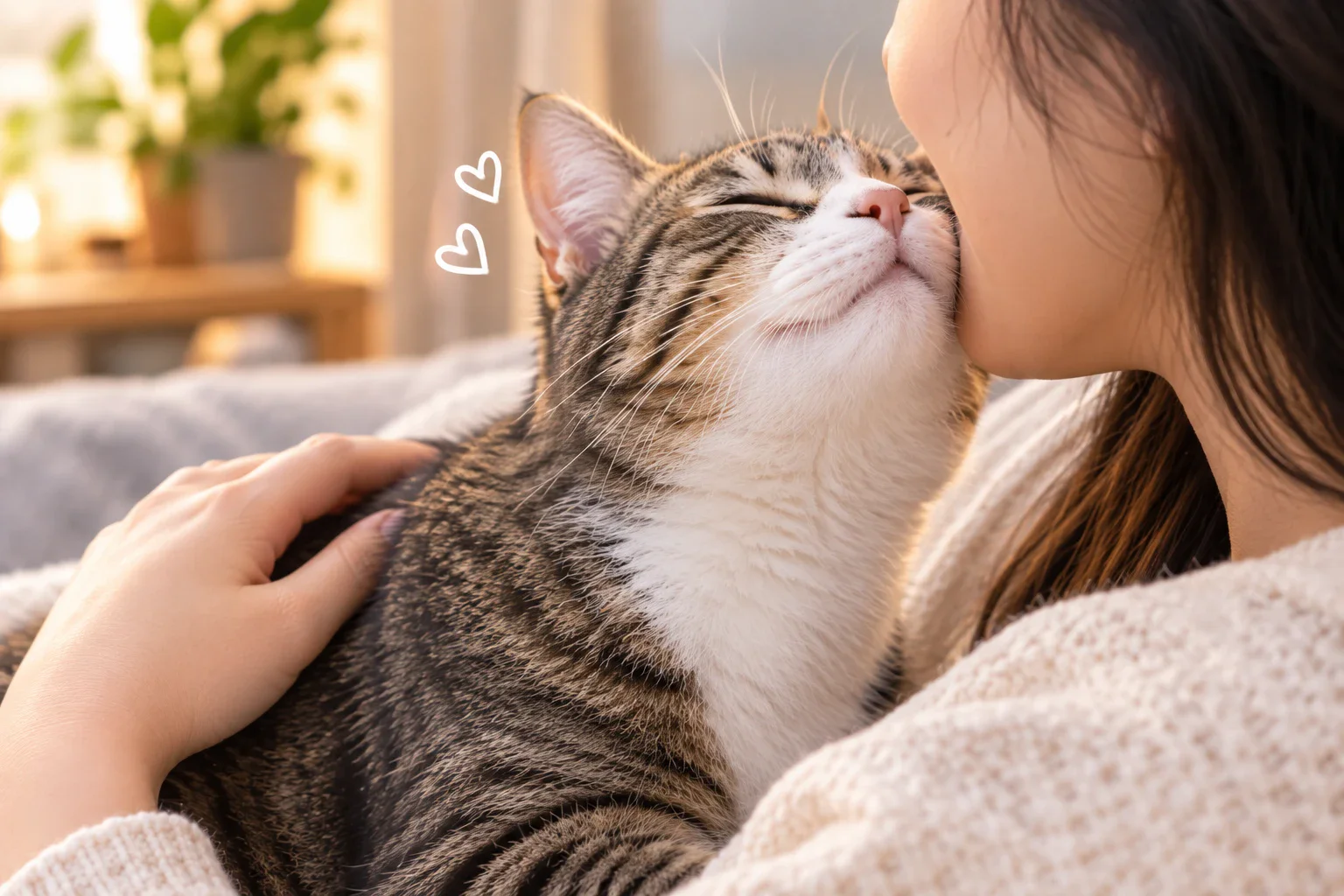
Cats may use purring as part of their social communication. When a cat approaches its owner, rubs against their legs, sits nearby, kneads with its paws, and purrs, it may be showing comfort and affection.
Some cats also purr when interacting with another trusted animal. However, every cat has a unique personality. Some are naturally vocal and affectionate, while others communicate more through body movements and quiet companionship.
Why Do Cats Purr When They Are Stressed ?
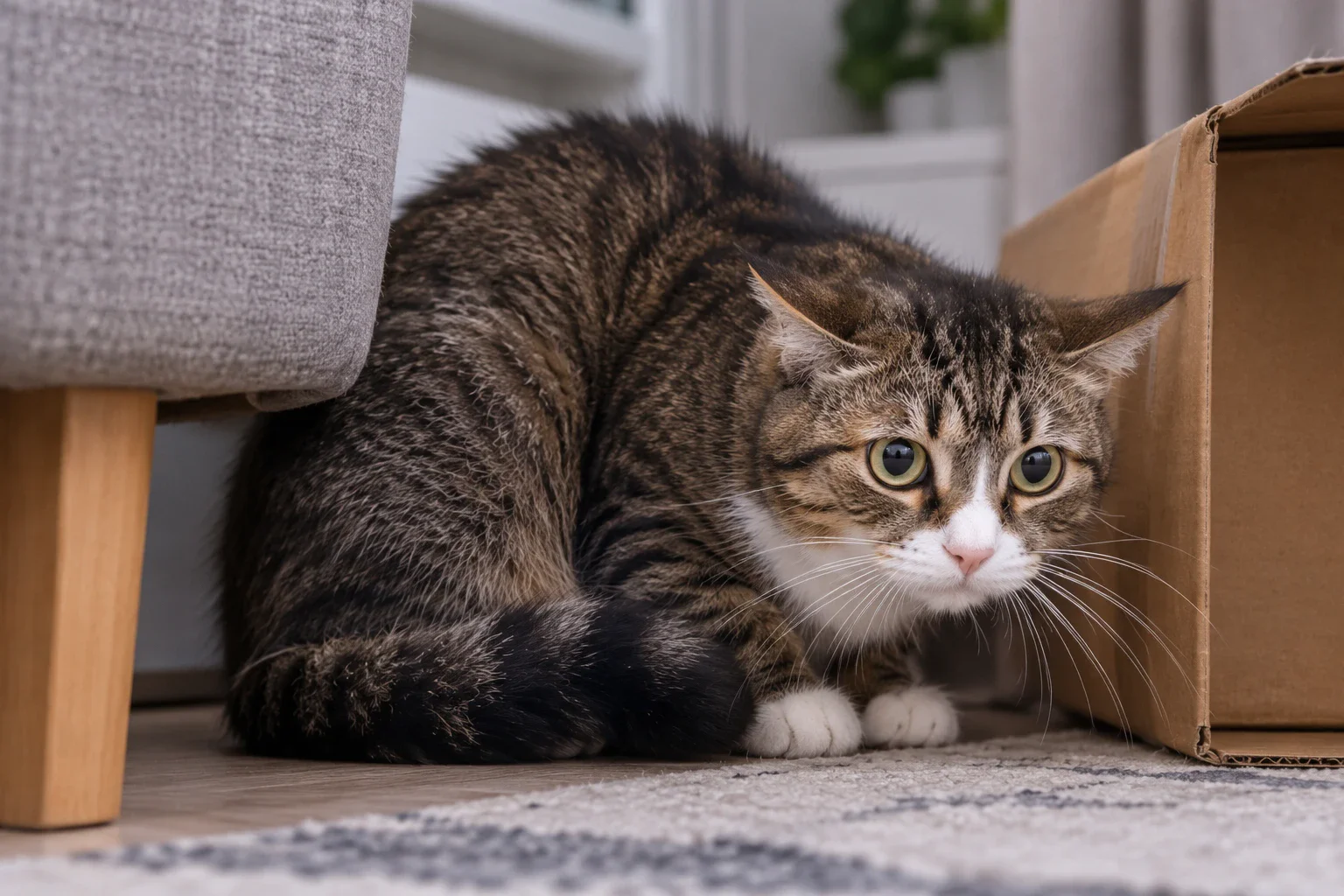
Not every instance of cat purring means happiness. Some cats may purr when they are frightened, anxious, stressed, or uncomfortable. This can happen during a veterinary visit, while traveling, or after entering an unfamiliar environment.
Pay attention to other signs at the same time. Hiding, flattened ears, tense muscles, a tucked tail, wide eyes, or unusual vocalization may indicate stress. Looking at the complete situation provides a clearer understanding of the cat’s communication than listening to purring alone.
Can Purring Help Cats Calm Themselves?
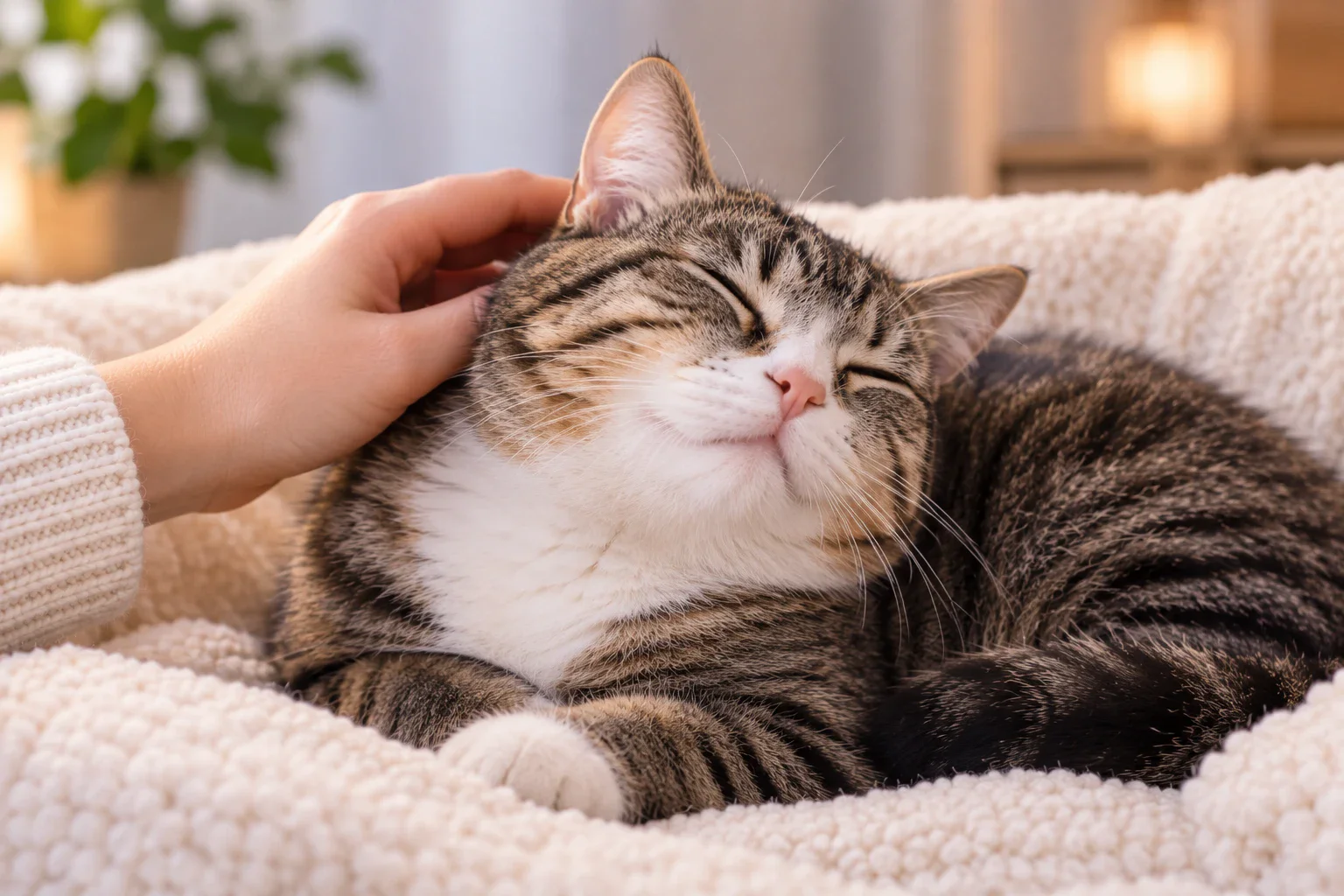
Purring may sometimes function as a self-soothing behavior. Cats can produce this sound during situations that are physically or emotionally uncomfortable, suggesting that purring may help some cats cope with stressful experiences.
However, this does not mean every purring cat is trying to calm itself. The meaning behind cat purring can change according to the circumstances. Owners should consider the cat’s surroundings, body language, and normal habits before deciding what the sound means.
How to Understand the Meaning Behind Cat Purring
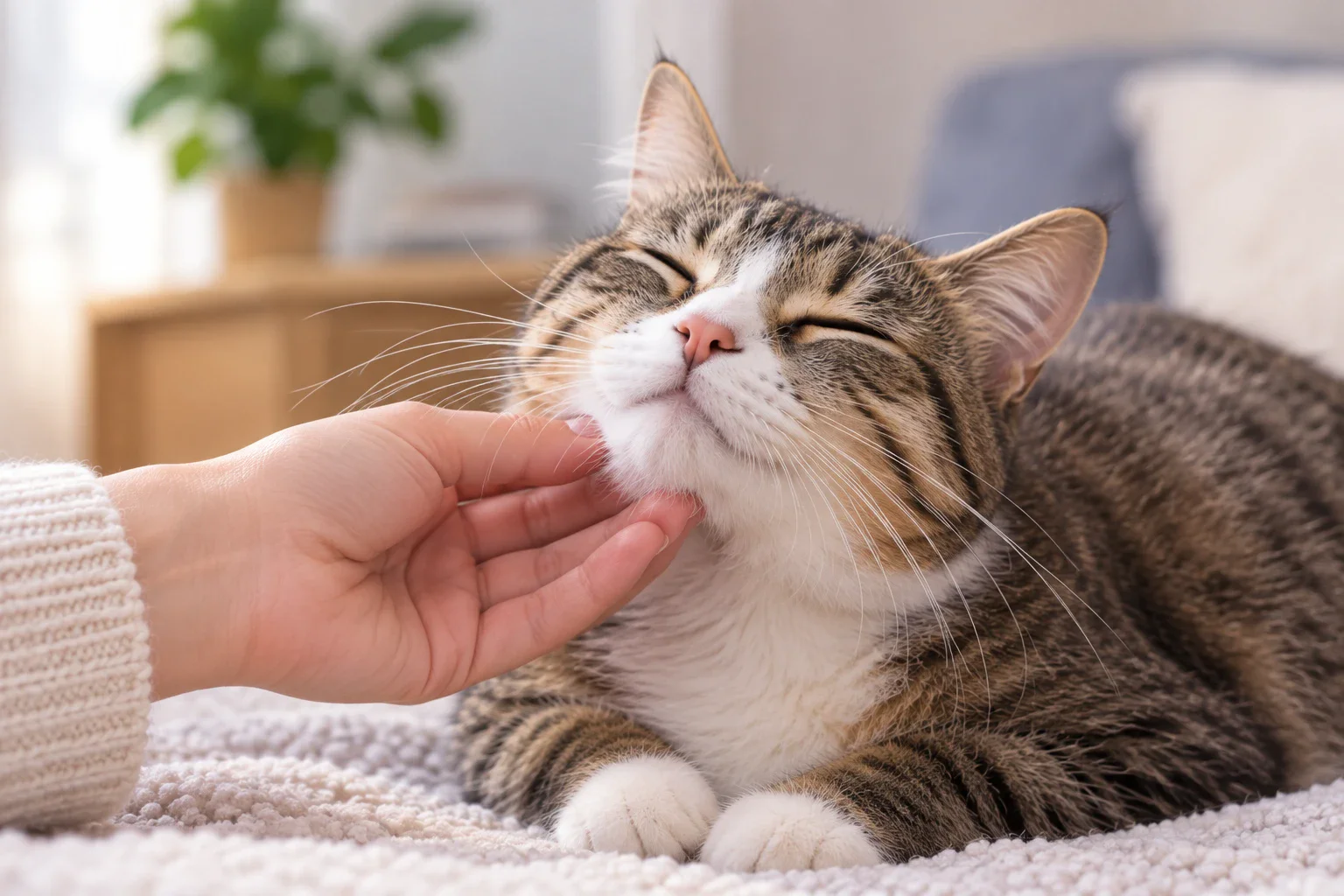
Learning how to understand the meaning behind cat purring requires looking beyond the sound itself. Consider what is happening around your cat and whether it is relaxed, seeking attention, eating normally, playing, frightened, or behaving differently than usual. Important signs to observe include:
- Body posture and muscle tension
- Ear and tail position
- Facial expressions
- Appetite and activity level
- Whether the cat seeks attention or hides
- Sudden changes in normal behavior
- The situation in which the purring begins
Combining these signs with the sound of purring can help owners better understand cat behavior and recognize their feline companion’s normal communication patterns.
When Should You Be Concerned About Purring ?
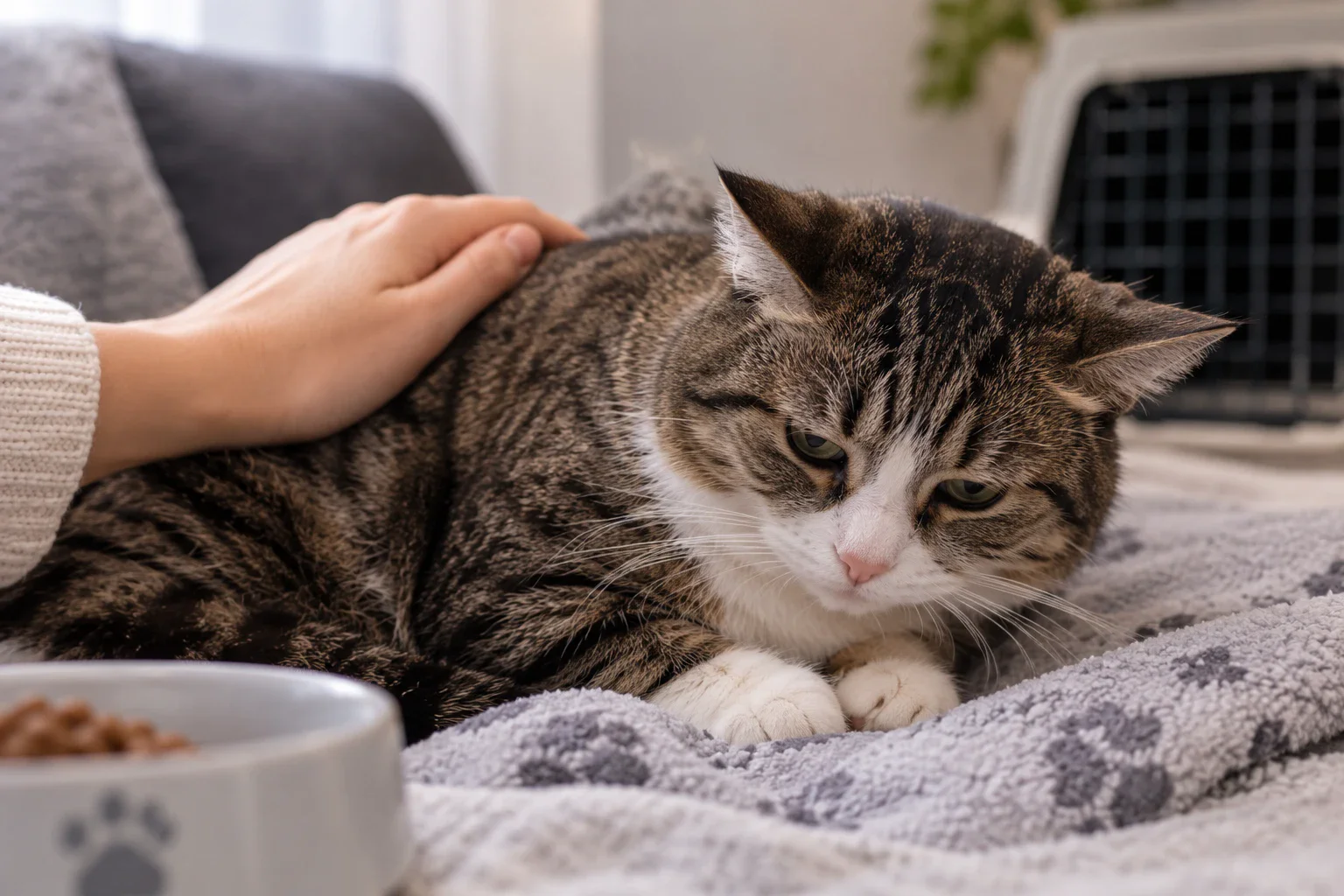
Purring alone is not usually a reason to panic. However, unusual purring combined with signs of illness, pain, fear, or significant behavioral changes should not be ignored.
If a cat is also refusing food, struggling to breathe, becoming unusually weak, hiding for long periods, or showing other concerning symptoms, contacting a veterinarian is appropriate. Changes from a cat’s normal behavior can be more important than the purring sound itself.
Conclusion
Why do cats purr? The answer is more complicated than simply saying that cats purr when they are happy. Cat purring can be associated with comfort, affection, communication, stress, or self-soothing depending on the circumstances.
Understanding the meaning behind cat purring requires observing the sound together with body language, behavior, and the surrounding situation.
By learning your cat’s normal habits, you can recognize changes more easily and better understand how your feline companion communicates. For more helpful information about cat behavior, cat care, and your pet’s daily habits, continue exploring related articles.
تابع جديد Diverse World
اختر إشعارات الموقع أو البريد أو الاثنين. الزائر يقدر يشترك ببريده دون تسجيل حساب.
الإبلاغ عن المقال
لو لاحظت مشكلة في المحتوى، أرسلها لفريق المراجعة. لن تظهر بياناتك لكاتب المقال أو للقراء.
تعذّر إرسال البلاغ الآن. حاول مرة أخرى لاحقًا.
سجّل الدخول لإرسال بلاغ






النقاش
التعليقات (0)
فكرة تضيفها، أو سؤال يفتح حوارًا.
الرجاء تسجيل الدخول لتتمكن من التعليق