

في هذا المقال
Domestic Cats: Origin, Behavior, Breeds, and Care
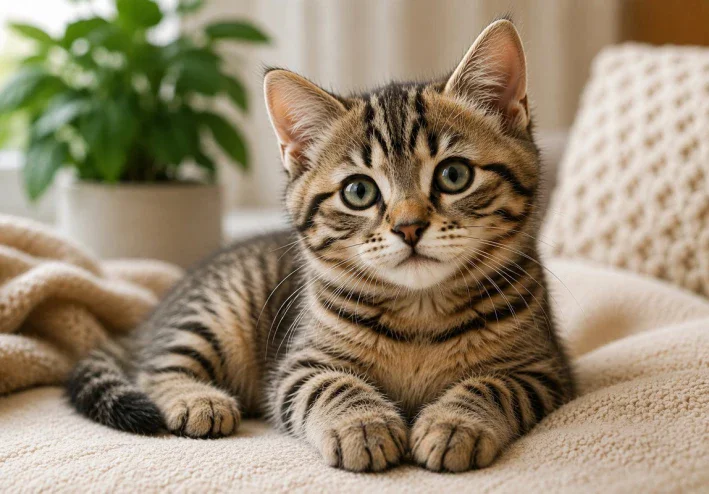
Domestic cats are among the most popular companion animals in the world. They are known for their beauty, intelligence, playful personalities, and independent nature. Learning about domestic cats, their origin, behavior, nutrition, and care can help owners provide a safe, healthy, and happy life for their pets.
The Origin and History of Domestic Cats
The history of domestic cats goes back thousands of years. Modern domestic cats are closely related to wildcat populations from the Near East and Africa, particularly the wildcat known as Felis lybica.
Cats gradually became associated with human settlements. When people began farming and storing grain, rodents became common around these communities. Wildcats were attracted to these areas because they could hunt rodents, while humans benefited from having natural hunters nearby.
Archaeological evidence also shows that humans and cats had a relationship thousands of years ago. A cat buried with a human on the Mediterranean island of Cyprus dates back approximately 9,500 years, suggesting that people were already transporting cats beyond their natural range.
Understanding Domestic Cat Behavior
Domestic cat behavior can sometimes seem mysterious, but many feline actions are connected to natural instincts. Cats may chase toys, climb furniture, hide, stalk objects, or suddenly run around the house. These behaviors are related to hunting and exploration instincts inherited from their wild ancestors.
Why Do Cats Purr?
Purring is one of the most recognizable cat behaviors. Cats often purr when they are relaxed and comfortable, but purring does not always mean happiness. Some cats may also purr when they are frightened, stressed, uncomfortable, or unwell. Owners should therefore consider the cat's body language and surroundings when interpreting its behavior.
Why Do Cats Knead?
Kneading occurs when a cat repeatedly pushes its paws against a soft surface. This behavior is associated with kittenhood because kittens knead while nursing. Many adult cats continue kneading blankets, beds, or their owner's lap when they feel safe and comfortable.
Popular Domestic Cat Breeds
There are many domestic cat breeds, each with different appearances and personality tendencies. Persian cats are famous for their long coats and require regular grooming. Siamese cats are known for their blue eyes, color-point coats, and often vocal personalities. Maine Coon cats are among the largest domestic cat breeds and are recognized for their long coats and impressive size.
Bengal cats have spotted or marbled coats and are often energetic and playful. Ragdolls are known for their large size and gentle personalities, while Sphynx cats are famous for their very sparse coats and distinctive appearance.
How to Take Care of a Domestic Cat
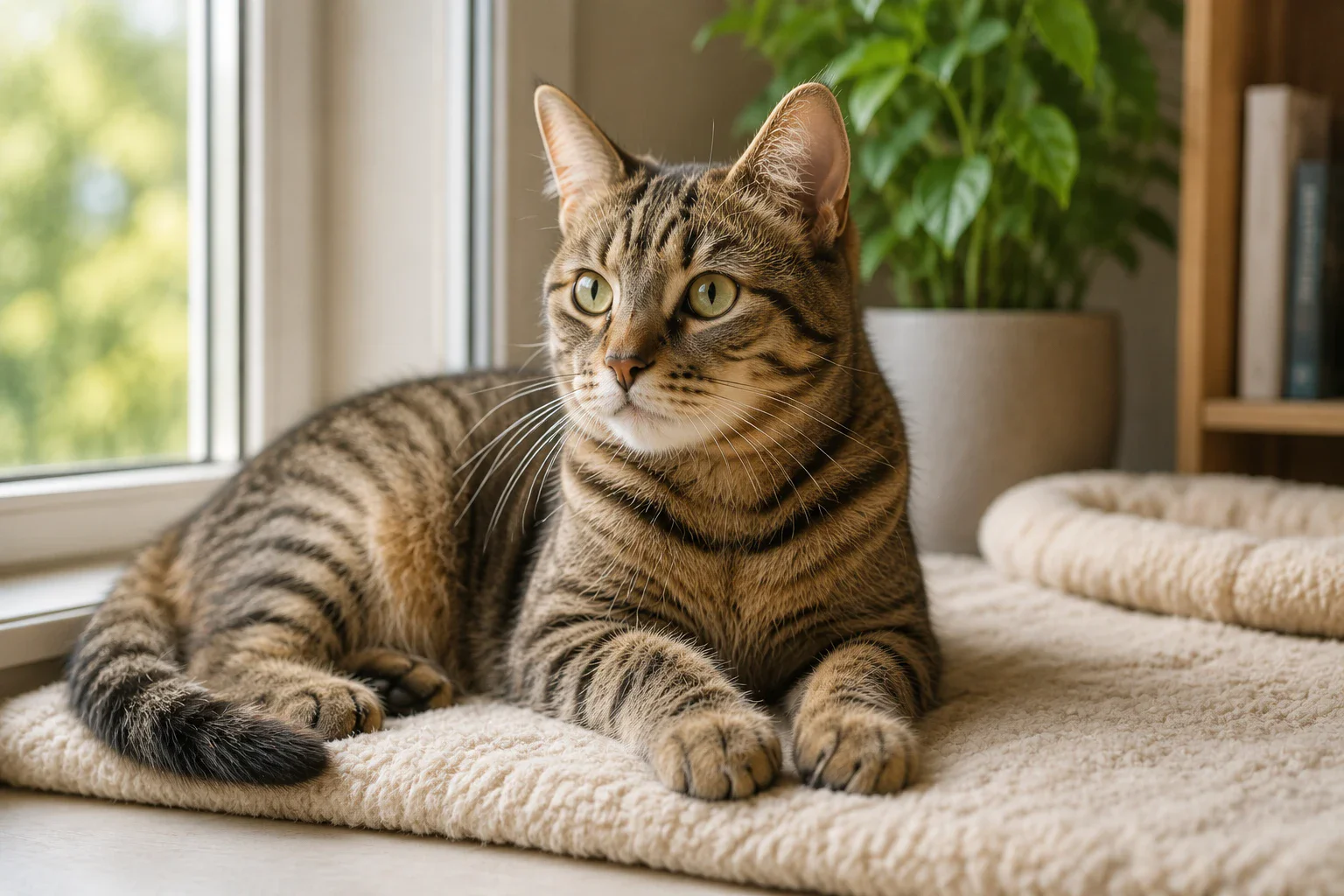
Proper domestic cat care involves more than providing food and water. Cats need a safe environment, nutritious food, fresh drinking water, a clean litter box, regular grooming, exercise, mental stimulation, and appropriate veterinary care.
Interactive toys and scratching posts can help cats express natural behaviors such as chasing, scratching, climbing, and exploring. Indoor cats can especially benefit from regular play and environmental enrichment.
Cats are obligate carnivores, so their diet should provide the nutrients they need from appropriate animal-based foods. Fresh water should always be available.
Regular veterinary care is also important. A veterinarian can provide guidance about vaccinations, parasite prevention, dental care, nutrition, and other health needs.
Interesting Facts About Domestic Cats
Domestic cats have several fascinating characteristics. They are closely related to wildcat ancestors, have lived alongside humans for thousands of years, and retain many hunting instincts even when living indoors. Cats also communicate through sounds and body language, while scratching is a normal feline behavior. Individual cats can have very different personalities.
Final Thoughts
Domestic cats have a fascinating history and a unique relationship with humans. From their wild ancestors to their role as beloved companions today, cats have adapted to human environments while maintaining many natural behaviors.
Learning about domestic cats, understanding their body language, providing appropriate nutrition, and meeting their physical and emotional needs can help owners build a stronger relationship with their pets.
تابع جديد Diverse World
اختر إشعارات الموقع أو البريد أو الاثنين. الزائر يقدر يشترك ببريده دون تسجيل حساب.
الإبلاغ عن المقال
لو لاحظت مشكلة في المحتوى، أرسلها لفريق المراجعة. لن تظهر بياناتك لكاتب المقال أو للقراء.
تعذّر إرسال البلاغ الآن. حاول مرة أخرى لاحقًا.
سجّل الدخول لإرسال بلاغ






النقاش
التعليقات (0)
فكرة تضيفها، أو سؤال يفتح حوارًا.
الرجاء تسجيل الدخول لتتمكن من التعليق