


In this article
How to Save Money on Groceries: 8 Safe Ways to Cut Food Costs
Grocery shopping can take a significant part of a household budget, especially when food prices are high. However, spending less does not mean you have to compromise on food quality or safety.
With a little planning, you can make better shopping decisions, use the food you already have and reduce unnecessary waste. The key is to save money through smarter choices rather than taking risks with food that may no longer be safe to eat.
Here are eight practical ways to reduce your grocery costs while keeping food safety a priority.
1. Check Your Fridge and Cupboards Before Shopping
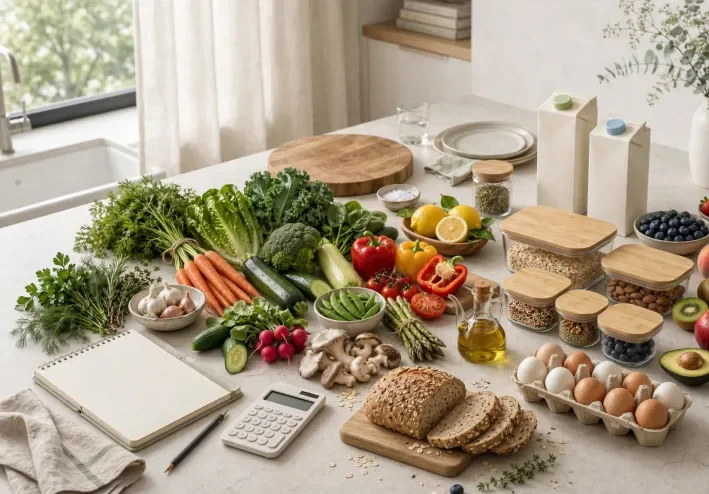
Before writing your shopping list, take a few minutes to check what you already have at home.
Look inside your fridge, freezer and kitchen cupboards. You may find ingredients that can be used in meals during the next few days. This helps prevent buying duplicate products that you might not need.
Pay attention to food that is approaching its use-by date. If you can safely use it before that date, include it in your meal plan. Some suitable foods can also be frozen before their use-by date, provided you follow the packaging instructions.
A simple weekly check can help you avoid unnecessary purchases and make better use of the food you already paid for.
2. Plan Your Meals Around What You Already Own
Planning meals before shopping can help you control your spending.
Start by choosing a few meals based on ingredients already available in your kitchen. Then write down only the additional items you need.
For example, if you already have rice, vegetables and suitable ingredients for a simple meal, you may only need to buy one or two missing items rather than purchasing an entirely new set of ingredients.
You can also plan meals that use similar ingredients in different ways. This helps reduce the number of products you need to buy and makes it easier to use fresh food before it spoils.
Keep your plan realistic. Buying ingredients for meals you are unlikely to prepare can lead to unnecessary waste.
3. Compare Unit Prices Instead of Just Looking at Discounts
A product with a lower displayed price is not always the cheapest option.
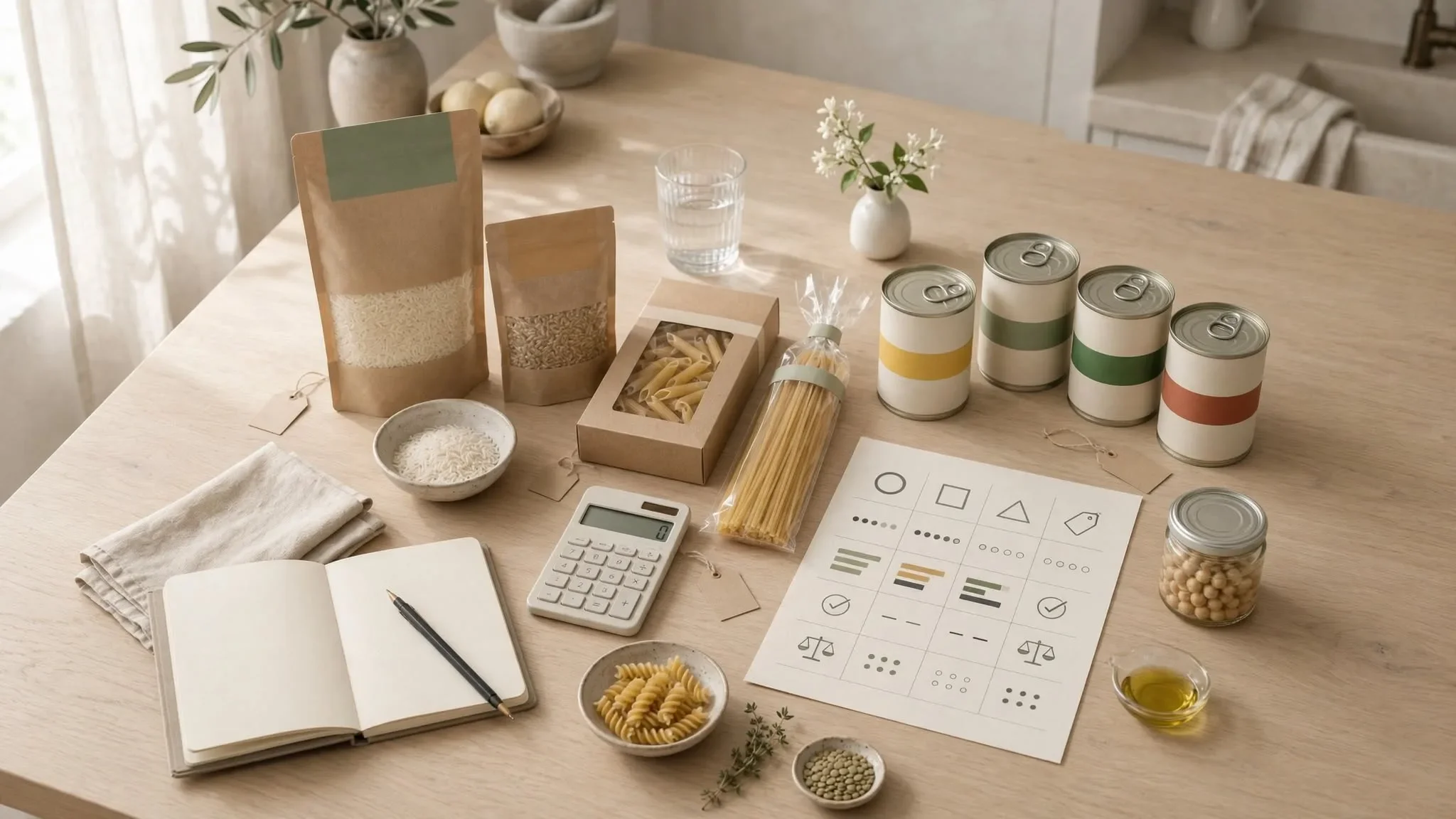
When comparing similar products, check the unit price shown on the shelf label. In UK supermarkets, this may be displayed as a price per kilogram, litre, 100 grams or another standard measurement.
For example, a larger packet may cost more overall but offer a lower price per kilogram. However, buying the larger option only makes financial sense if you can use or store the contents properly.
Compare products of similar quality and check the quantity carefully. Unit prices can help you identify better value without relying on promotional labels.
4. Be Careful With Special Offers and Multi-Buy Deals
Promotions such as multi-buy offers can appear attractive, but they do not automatically save you money.
Before buying several items, consider whether you genuinely need them and whether you can use them before their quality declines or their safety date passes.
For products that can be frozen, check the packaging instructions and make sure you have enough freezer space. If a product has a use-by date, do not assume that a discount makes it safe to consume after that date.
A useful rule is to compare the total cost with what you would normally buy. If the extra quantity is likely to go unused, the offer may not be a real saving.
5. Understand the Difference Between Use-By and Best-Before Dates
Understanding food date labels can help you avoid both unnecessary waste and food safety risks.
In the UK, these two labels have different meanings:
Use-by date:
This relates to food safety. You should not eat food after its use-by date, even if it looks or smells normal. Harmful bacteria cannot always be detected by sight or smell.
You can eat food up to and on the use-by date, provided you have followed the storage instructions. Some foods can be cooked or frozen before the date passes, but you must follow the relevant safety guidance.
Best-before date:
This relates mainly to food quality rather than safety. After this date, a product may lose some of its flavour, texture or freshness, but it may still be suitable to eat.
For products with a best-before date, check the packaging, storage instructions and condition of the food before deciding whether to use it.
For more detailed information, consult the UK Food Standards Agency's guidance on "best-before and use-by dates" (https://www.food.gov.uk/safety-hygiene/best-before-and-use-by-dates).
6. Store Food at the Correct Temperature
Storing food correctly can help it last longer and reduce the risk of food poisoning.
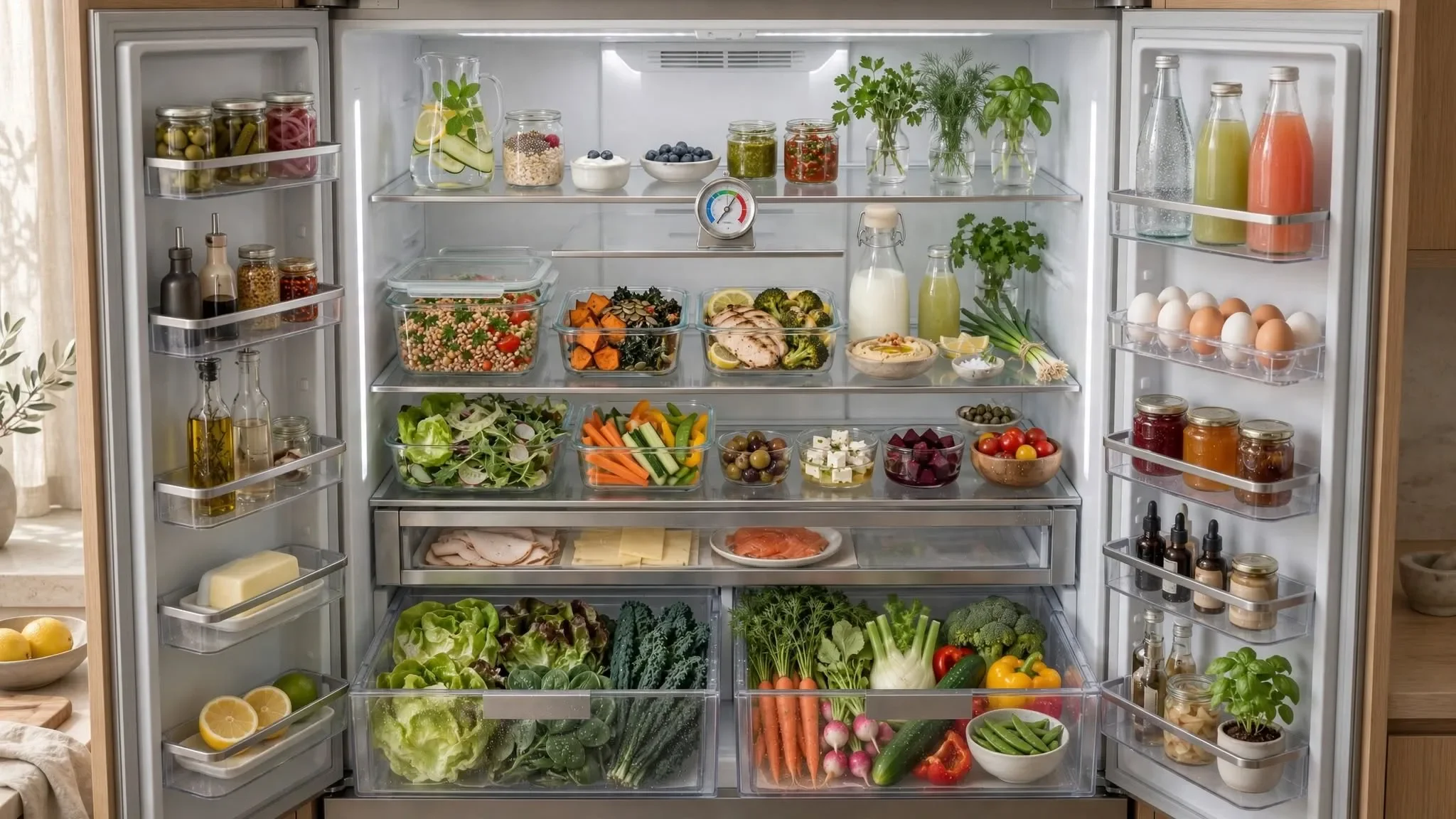
According to UK government guidance, your fridge should be kept between 0°C and 5°C. A fridge thermometer can help you check the temperature rather than relying only on the control dial.
Here are some useful storage habits:
- Put chilled and frozen shopping away as soon as possible.
- Keep raw meat and fish covered in suitable containers to prevent leaks.
- Follow the storage instructions on food packaging.
- Keep your fridge organised so that you can find and use food before it goes out of date.
- Avoid leaving the fridge door open for long periods.
Do not leave cooked food at room temperature for too long. Government guidance recommends cooling cooked food and placing it in the fridge within one to two hours. Dividing large portions into smaller containers can help them cool more quickly.
You can read the official advice on "how to chill, freeze and defrost food safely" (https://www.gov.uk/government/publications/how-to-chill-freeze-and-defrost-food-safely/how-to-chill-freeze-and-defrost-food-safely).
7. Keep Leftovers Safely and Freeze Extra Portions
Leftovers can help you save money because they allow you to make use of food that has already been prepared.
However, they must be handled and stored correctly.
Follow these basic precautions:
- Cool cooked leftovers promptly and put them in the fridge or freezer within one to two hours.
- Divide large portions into smaller containers to help them cool faster.
- Keep refrigerated leftovers for no longer than 48 hours.
- Freeze portions that you will not use within that period.
- When reheating leftovers, make sure they are steaming hot throughout.
- Reheat leftovers only once.
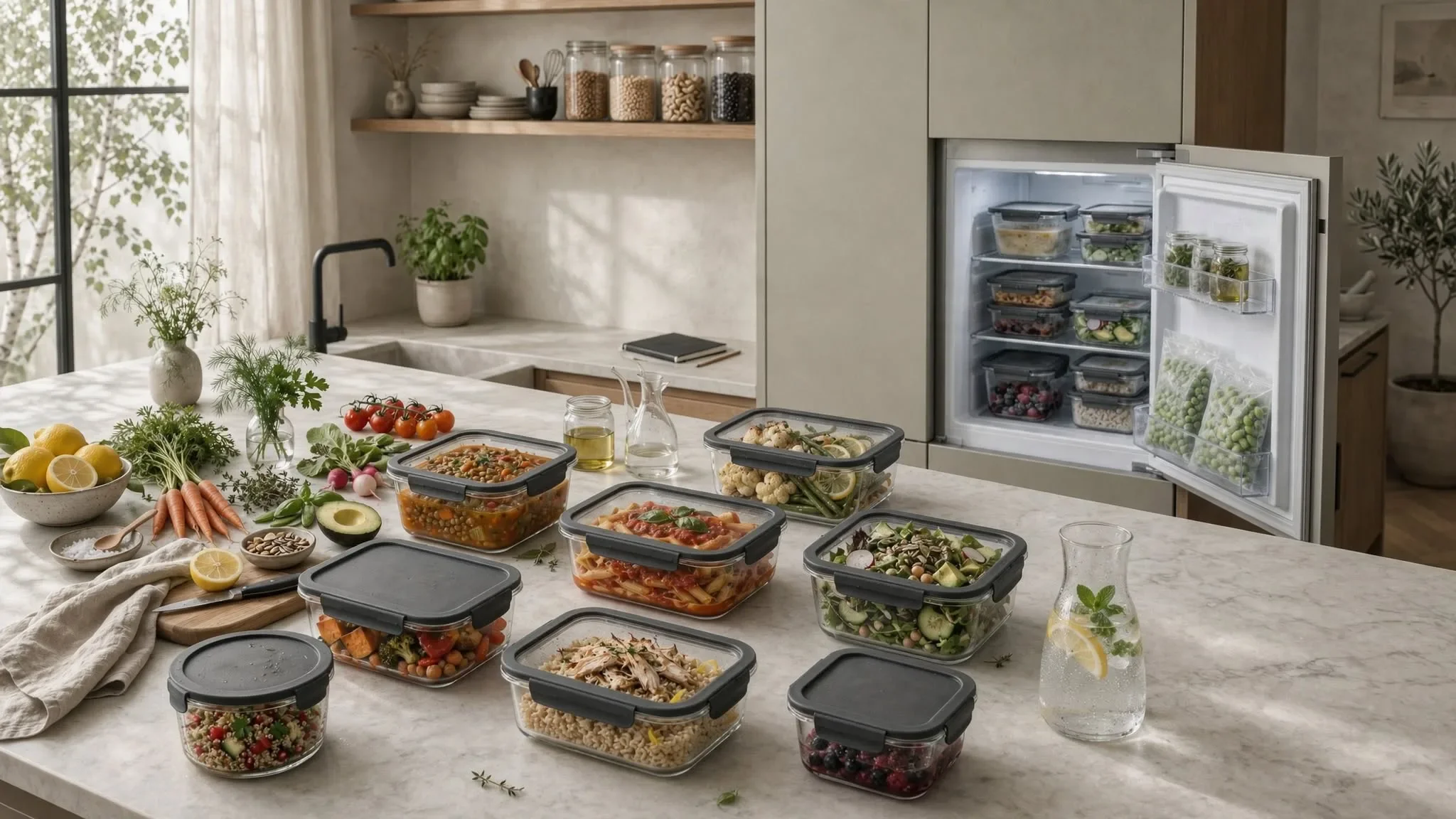
Cooked rice needs extra care. Cool it as quickly as possible, ideally within one hour, and store it in the fridge for no more than 24 hours. Reheat it only once and make sure it is steaming hot throughout.
These precautions are important because harmful bacteria can grow when food is stored incorrectly.
For further details, see the official UK guidance on "cooking food and using leftovers safely" (https://www.food.gov.uk/safety-hygiene/cooking-your-food).
8. Track What You Throw Away Each Week
One of the simplest ways to reduce grocery spending is to understand which foods you regularly waste.
For one week, make a short note of anything you throw away. You do not need a complicated spreadsheet. A small notebook or note on your phone is enough.
At the end of the week, look for patterns.
For example:
- Are you buying more fresh vegetables than you can use?
- Do you often forget about food stored at the back of the fridge?
- Are you purchasing products because they are discounted rather than because you need them?
- Are you preparing larger portions than your household can finish?
Once you identify the main reasons for waste, adjust your shopping list and meal portions.
Small changes can make a difference over time. Buying more carefully and using what you already have can help reduce unnecessary spending.
Final Thoughts
Saving money on groceries does not require complicated methods or unsafe shortcuts. It starts with understanding what you already have, planning meals, comparing prices and storing food correctly.
Remember that a low price is not a good deal if the food goes to waste or is handled unsafely. Pay attention to use-by dates, follow storage instructions and take extra care with leftovers and cooked rice.
By making these eight habits part of your weekly routine, you can manage your grocery budget more carefully while protecting your household's food safety.
Food Safety Sources and Important Information
The food safety recommendations in this article are based on guidance from the following official UK sources:
- "UK Food Standards Agency – Cooking your food and using leftovers" (https://www.food.gov.uk/safety-hygiene/cooking-your-food)
- "GOV.UK – How to chill, freeze and defrost food safely" (https://www.gov.uk/government/publications/how-to-chill-freeze-and-defrost-food-safely/how-to-chill-freeze-and-defrost-food-safely)
- "GOV.UK – Home food fact checker" (https://www.gov.uk/government/publications/home-food-fact-checker/home-food-fact-checker)
- "UK Food Standards Agency – Best-before and use-by dates" (https://www.food.gov.uk/safety-hygiene/best-before-and-use-by-dates)
This article provides general educational information about grocery shopping, food storage and reducing food waste. It is not a substitute for official food safety guidance or product-specific storage instructions. Food safety depends on the type of food, how it was prepared and how it was stored and handled. Always follow the instructions on food packaging and consult current official guidance when necessary.
Keep up with Abde lali
Choose site notifications, email, or both. Guests can subscribe by email without an account.
Report this article
Tell our review team about a problem with this content. Your details will not be shown to the author or other readers.
Your report could not be sent. Please try again later.
Sign in to report an article







Discussion
comments (0)
Share a perspective. Start a thoughtful conversation.
please login to be able to comment