

In this article
The World’s Most Valuable Gemstones: Prices, Rarity, and the Stories Behind Them
How Much Can a Gemstone Really Be Worth?
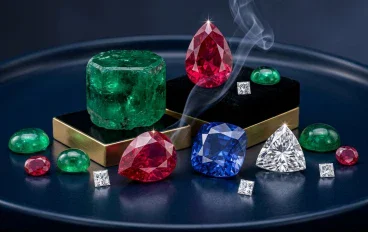
Imagine holding a gemstone small enough to fit on your fingertip—and discovering that it could be worth millions of dollars.
That is the fascinating reality of the world’s finest gemstones. Unlike ordinary commodities, gemstones do not have one fixed global price. Their value can change dramatically depending on color, clarity, cut, carat weight, origin, treatment, rarity, and provenance.
Some exceptional rubies, sapphires, emeralds, and colored diamonds have achieved extraordinary prices at major international auctions.
But what makes one gemstone worth hundreds of dollars while another can sell for millions?
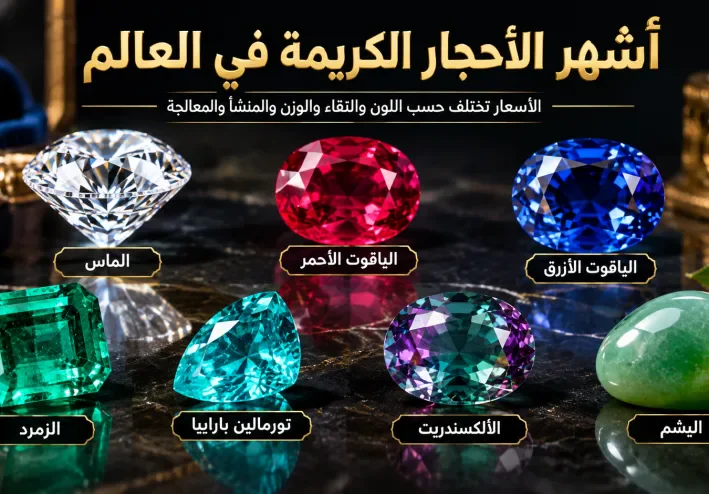
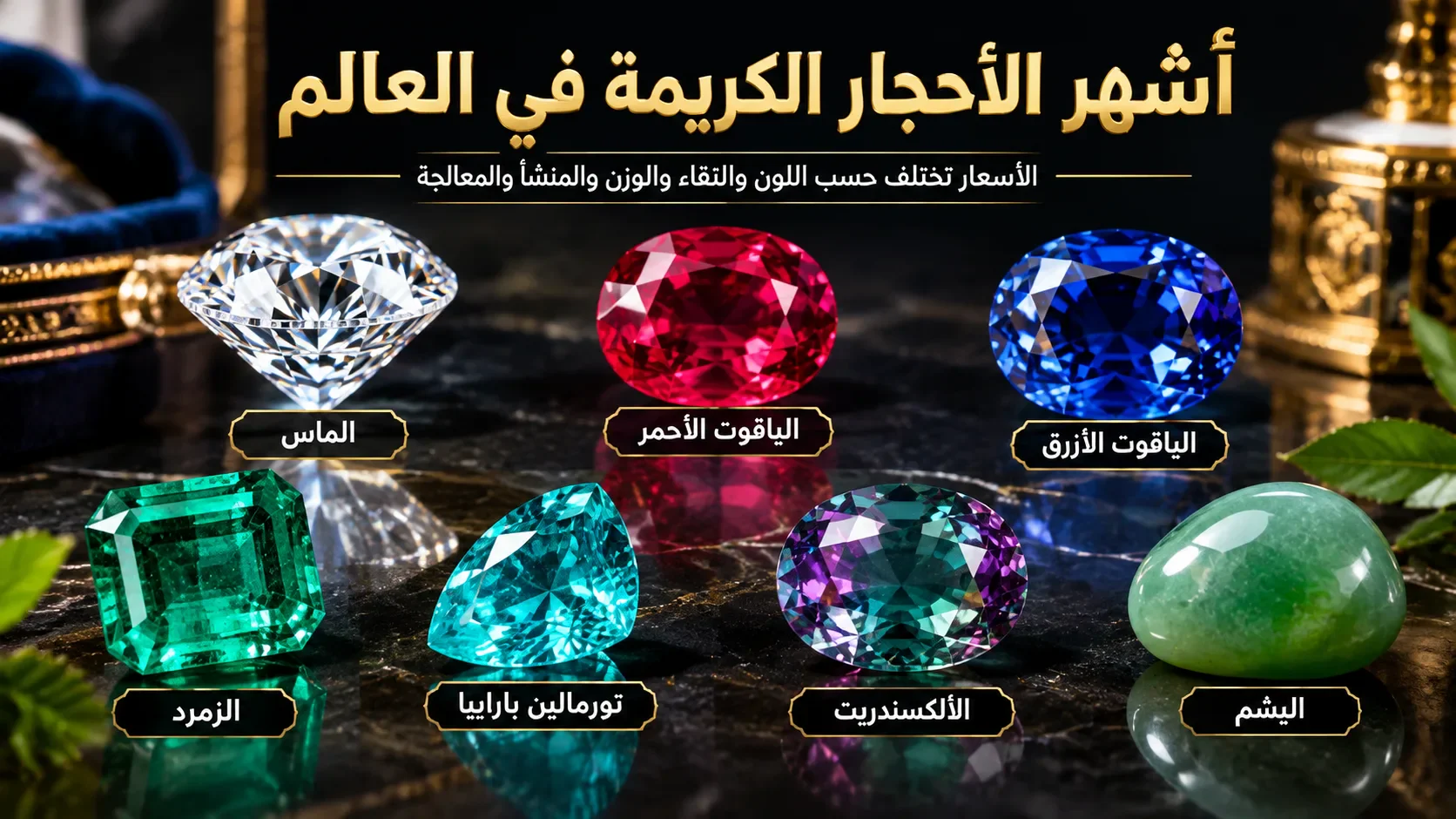
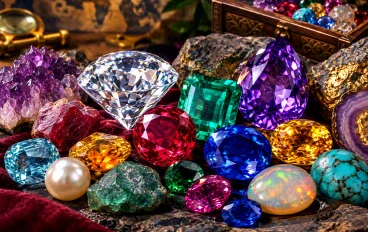
Let's explore the world's most famous and valuable gemstones and the prices they have achieved.
1. Ruby: The Red Gemstone That Can Be Worth Millions
Ruby is one of the world's most famous precious gemstones and belongs to the corundum mineral family.
The most desirable rubies often display an intense, vivid red color. Burmese rubies, particularly exceptional untreated stones with highly desirable color, can command extraordinary prices.
According to the Gemological Institute of America (GIA), color is one of the most important factors in determining ruby quality, while origin, treatment, clarity, size, and cut can also significantly affect value.
Ruby Prices
Ruby prices vary enormously.
Commercial-quality rubies may sell for relatively modest prices, while exceptional stones can reach tens or even hundreds of thousands of dollars per carat.
Sotheby's notes that exceptional "pigeon's blood" Burmese rubies weighing more than five carats can reach over $300,000 per carat in the highest levels of the market.
This should not be interpreted as an average ruby price. It applies to exceptionally rare stones.
The Sunrise Ruby
One of the most famous rubies ever sold is the Sunrise Ruby, a 25.59-carat Burmese ruby.
It sold at Sotheby's Geneva in 2015 for approximately $30.3 million, setting a major auction record for a ruby at the time.
That single gemstone demonstrates how dramatically rarity and quality can affect value.
2. Sapphire: The Blue Treasure of the Gemstone World
Blue sapphire is another legendary gemstone.
The finest examples can display a deep, vivid blue often described as "royal blue." Kashmir sapphires are particularly famous among collectors because of their rarity and distinctive color characteristics.
According to GIA, the most valuable blue sapphires typically show strong to vivid blue coloration, while factors such as clarity, size, origin, treatment, and quality of cut can influence the final price.
How Much Does a Sapphire Cost?
There is no universal price for sapphire.
A commercial sapphire may cost hundreds of dollars per carat, while an exceptional untreated sapphire with a prestigious origin can command tens of thousands—or much more—per carat.
At major auctions, exceptional Kashmir sapphires have sold for millions of dollars.
For example, Sotheby's has documented the sale of exceptional Kashmir sapphire jewelry reaching multi-million-dollar prices.
3. Emerald: The Green Gem That Captivates Collectors
Emerald is one of the world's most recognizable gemstones, famous for its rich green color.
Colombia is particularly renowned for producing high-quality emeralds, while Zambia and other regions are also important sources.
Unlike diamonds, emeralds commonly contain inclusions. These internal characteristics are so common that the French term "jardin", meaning "garden," is often used to describe the characteristic inclusions found in emeralds.
Emerald Prices
Emerald prices can range from relatively affordable commercial stones to tens of thousands of dollars per carat for exceptional gems.
Christie's explains that a large emerald is not automatically more valuable than a smaller one. Color, clarity, origin, treatment, and overall quality can make a smaller emerald significantly more valuable.
For example, Christie's has reported exceptional emerald jewelry selling for millions of dollars at international auctions.
This is why comparing emerald prices only by carat weight can be misleading.
4. Colored Diamonds: Nature's Most Extraordinary Colors
When most people imagine a diamond, they picture a colorless stone.
But diamonds can naturally occur in spectacular colors, including:
- Pink
- Blue
- Yellow
- Green
- Red
- Orange
- Purple
Among these, some intensely colored diamonds are exceptionally rare.
The value of a colored diamond depends heavily on the strength and quality of its color, as well as clarity, size, cut, and provenance.
Pink Diamonds
Pink diamonds have become particularly famous among collectors and investors.
At major auctions, exceptional pink diamonds have achieved prices in the millions of dollars.
Christie's has reported the sale of rare Fancy Vivid pink diamonds for extraordinary sums, demonstrating how dramatically color rarity can affect diamond prices.
Why Are Colored Diamonds So Expensive?
The answer is simple: extreme rarity.
A large, naturally colored diamond with strong color saturation and excellent quality can be far rarer than a comparable colorless diamond.
5. Alexandrite: The Gemstone That Changes Color
Alexandrite is one of the most fascinating gemstones in the world.
Its famous characteristic is its ability to appear different colors under different lighting conditions.
In daylight, it can appear greenish or bluish-green, while under incandescent lighting it may display reddish or purplish tones.
This remarkable phenomenon is called color change.
High-quality natural alexandrite is rare, especially in larger sizes.
Because of its rarity, fine natural alexandrite can command very high prices per carat.
However, buyers should be careful: synthetic and laboratory-created alexandrite also exists, and a professional gemological report can help determine what they are purchasing.
6. Paraíba Tourmaline: Electric Blue Beauty
Paraíba tourmaline became famous for its spectacular neon blue and blue-green colors.
The most desirable stones can display an intense, almost electric appearance.
Because high-quality material is rare, fine Paraíba tourmalines can command substantial prices.
The value depends on factors including:
- Color intensity
- Clarity
- Carat weight
- Origin
- Treatment
- Quality of cut
The gemstone's rarity and distinctive color have made it highly desirable among collectors.
7. Opal: A Gemstone With a Rainbow Inside
Opal is completely different from many other gemstones.
Instead of having a single dominant color, precious opal can display flashes of multiple colors known as play-of-color.
Australian opals are particularly famous, with black opal from Lightning Ridge being among the most sought-after varieties.
The value of opal depends on factors such as:
- Body tone
- Play-of-color
- Pattern
- Brightness
- Size
- Transparency
- Origin
- Overall quality
Exceptional black opals can command very high prices, although the market is extremely diverse.
8. Spinel: The Gemstone That Was Once Mistaken for Ruby
Spinel has an interesting history.
For centuries, some famous red gemstones were believed to be rubies when they were actually spinels.
Today, collectors increasingly appreciate spinel for its own beauty and rarity.
Fine red, pink, blue, and other varieties can be highly valuable, particularly when they have excellent color, clarity, size, and natural origin.
The Most Expensive Gemstones: A Quick Price Guide
The following figures should be viewed as examples of exceptional market prices, not fixed retail prices.
| Gemstone | Typical Value Factors | Exceptional Market Examples |
|---|---|---|
| Ruby | Color, origin, treatment, clarity, size | Exceptional stones can exceed $300,000 per carat |
| Blue Sapphire | Color, Kashmir origin, treatment, size | Exceptional stones can reach millions of dollars |
| Emerald | Color, clarity, origin, treatment | Exceptional stones can sell for millions |
| Colored Diamond | Color intensity, rarity, clarity, size | Rare stones can reach many millions |
| Alexandrite | Color change, clarity, size, origin | Fine natural stones can command very high prices |
| Paraíba Tourmaline | Neon color, clarity, size, origin | Fine stones can reach very high prices |
| Opal | Play-of-color, pattern, brightness, body tone | Exceptional specimens can be extremely valuable |
| Spinel | Color, clarity, size, origin | Fine natural examples can command high prices |
Important: There is no universal price per carat for these gemstones. Two stones of the same type and weight can have dramatically different values.
What Makes a Gemstone Extremely Expensive?
1. Exceptional Color
Color is often one of the most important characteristics of colored gemstones.
A vivid and attractive color can dramatically increase a gemstone's desirability.
2. Rarity
The rarer the combination of characteristics, the greater the potential value.
For example, a large untreated gemstone with an exceptional color may be far rarer than a common gemstone of the same weight.
3. Size
Carat weight matters—but size alone does not determine value.
A smaller gemstone with exceptional quality may be worth considerably more than a larger gemstone of lower quality.
4. Origin
The geographic origin of a gemstone can influence its desirability.
Certain regions have become famous for producing particular types of gemstones, such as Kashmir sapphires and Burmese rubies.
5. Treatment
Some gemstones are routinely treated to improve their appearance.
A natural gemstone with exceptional quality and no evidence of certain treatments can command a significant premium in the market.
This is why buyers should always ask whether a gemstone has been treated.
6. Certification
A professional gemological report can provide important information about a gemstone's identity and characteristics.
Organizations such as GIA provide laboratory services for colored gemstones, including identification and treatment-related analysis.
Why You Should Never Buy a Gemstone Based Only on Its Price
A very cheap gemstone is not necessarily a bargain.
Likewise, an expensive gemstone is not automatically a good purchase.
Before buying an expensive gemstone, consumers should consider:
- Is it natural or laboratory-grown?
- Has it been treated?
- What is its exact carat weight?
- What is the quality of its color?
- What is its clarity?
- What is its origin, if determinable?
- Is there an independent laboratory report?
- Does the seller provide documentation?
- Does the asking price make sense compared with comparable stones?
A laboratory report from a respected gemological institution can help buyers understand what they are actually purchasing.
The Fascinating Truth About Gemstone Prices
The biggest surprise for many people is that there is no simple "price list" for gemstones.
A ruby weighing 2 carats could be worth hundreds of dollars, thousands of dollars, or dramatically more depending on its characteristics.
The same principle applies to sapphire, emerald, tourmaline, alexandrite, opal, and colored diamonds.
In the world of high-end gemstones, rarity is often the key.
A gemstone becomes extraordinary when several desirable characteristics come together:
Exceptional color + rarity + quality + size + provenance + documentation.
That combination can transform a small piece of natural material into a multi-million-dollar treasure.
Final Thoughts
The world of gemstones is much more than beautiful colors and sparkling jewelry.
Behind every exceptional gemstone is a story of geology, rarity, craftsmanship, history, and human fascination.
From the deep red of a Burmese ruby to the intense blue of a Kashmir sapphire, the rich green of a Colombian emerald, or the extraordinary colors of a natural diamond, these treasures demonstrate just how remarkable nature can be.
And the next time you see a tiny gemstone in a jewelry store, remember:
Its size may be small—but its story and value can be enormous.
Trusted Sources
Gemological Institute of America (GIA)
GIA provides educational and laboratory information about diamonds and colored gemstones, including factors affecting gemstone quality, treatments, and identification.
Sotheby's
Sotheby's publishes information about major gemstone auctions, record-setting jewelry sales, and exceptional rubies, sapphires, and other gemstones.
Christie's
Christie's provides auction records and educational information about emeralds, colored diamonds, and other precious gemstones.
Sources:
- GIA — Gemological Institute of America: GIA Gemstones & Gemology
- Sotheby's — Ruby and gemstone information: Sotheby's Jewelry & Gemstones
- Christie's — Jewelry and gemstones: Christie's Jewelry
Keep up with khaled saed
Choose site notifications, email, or both. Guests can subscribe by email without an account.
Report this article
Tell our review team about a problem with this content. Your details will not be shown to the author or other readers.
Your report could not be sent. Please try again later.
Sign in to report an article





Discussion
comments (0)
Share a perspective. Start a thoughtful conversation.
please login to be able to comment