


In this article
The Pyramids of Egypt: A Journey Through Ancient History
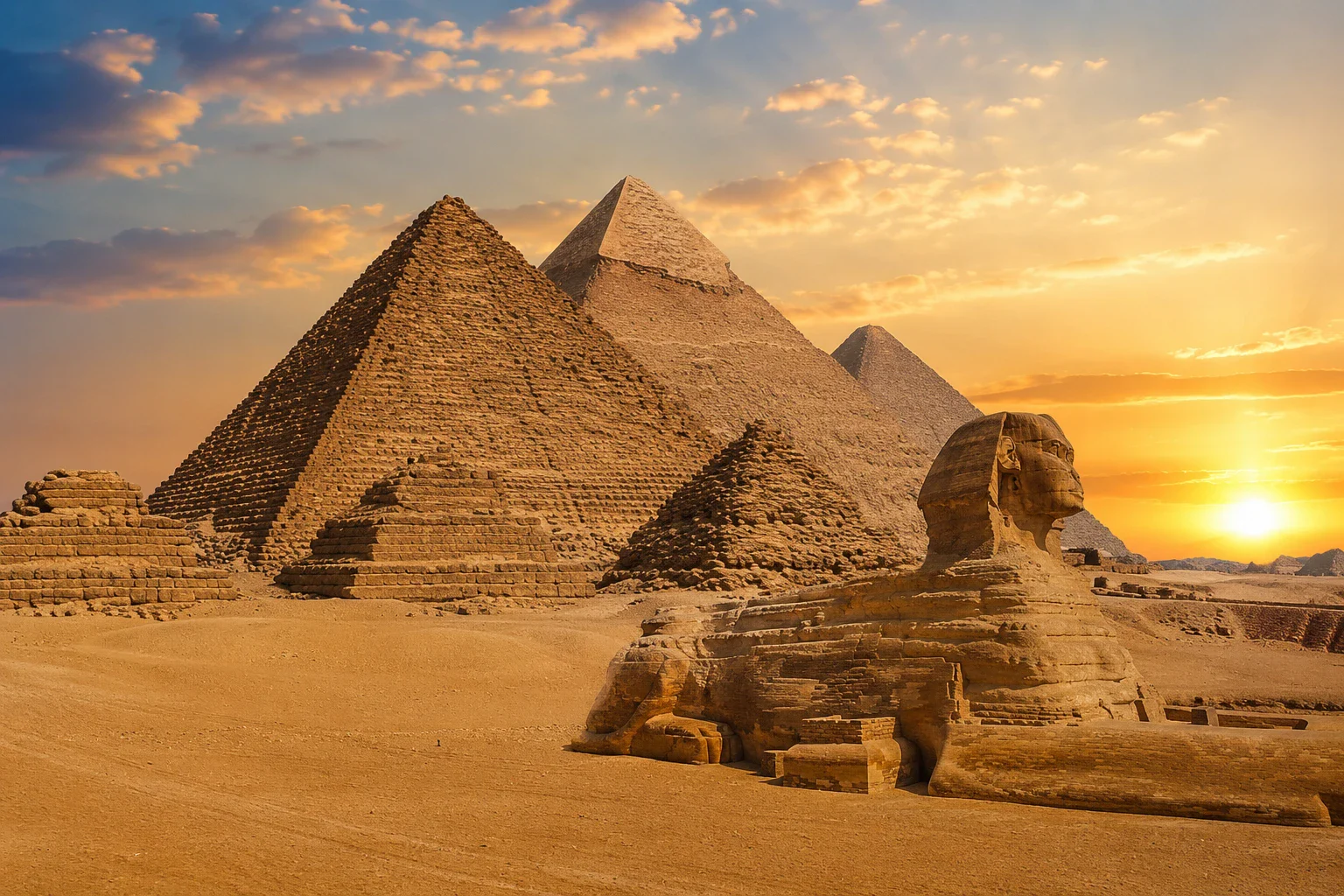
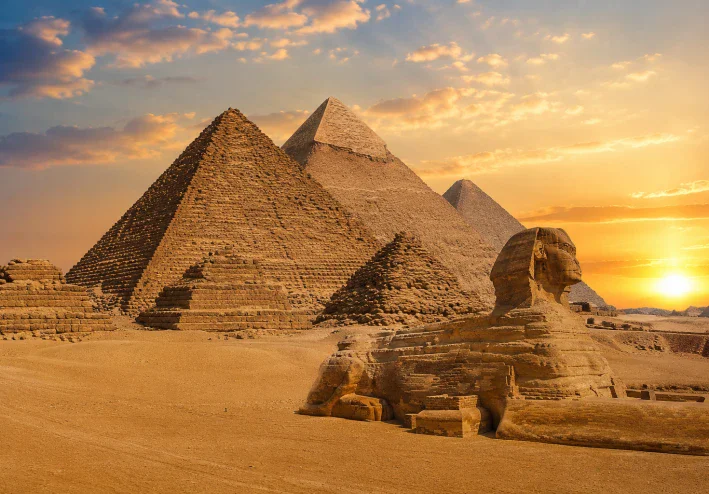
The Pyramids of Egypt are among the most famous historical landmarks in the world. They have fascinated people for thousands of years because of their enormous size, unique design, and mysterious history. Located near Cairo, the pyramids represent one of the greatest achievements of Ancient Egyptian civilization and continue to attract millions of visitors from around the world.
What Are the Pyramids of Egypt?
The pyramids are massive stone structures that were built mainly as tombs for ancient Egyptian kings and rulers. The most famous pyramids are located on the Giza Plateau, where visitors can see the Great Pyramid, the Pyramid of Khafre, and the Pyramid of Menkaure.
These impressive monuments were constructed thousands of years ago, long before modern machines and advanced construction technology existed. Their construction demonstrates the extraordinary skills of ancient Egyptian engineers, architects, and workers.
The Great Pyramid of Giza
The Great Pyramid of Giza is the largest and most famous pyramid in Egypt. It was built for Pharaoh Khufu, who ruled during the Fourth Dynasty.
The Great Pyramid was originally much taller than it is today, and it was covered with smooth limestone that gave it a bright appearance. Over the centuries, much of this outer covering disappeared, but the main structure has survived for thousands of years.
The Great Pyramid is also famous because it is the only surviving monument of the Seven Wonders of the Ancient World.
The Pyramids of Khafre and Menkaure
The Pyramid of Khafre is the second-largest pyramid at Giza. It is particularly recognizable because some of its original limestone casing remains near the top.
The Pyramid of Menkaure is smaller than the other two main pyramids, but it is still an important part of the Giza pyramid complex. Together, the three pyramids form one of the most impressive archaeological sites in the world.
How Were the Pyramids Built?
One of the biggest questions surrounding the pyramids is how ancient Egyptians managed to build such enormous structures.
Archaeologists believe that thousands of workers participated in the construction process. Large blocks of stone were transported and carefully positioned using a combination of human labor, sledges, ramps, ropes, and other tools available at the time.
Although researchers continue to study the exact construction techniques, there is strong evidence that the pyramids were the result of organized planning, engineering knowledge, and years of work.
Why Were the Pyramids Built?
The pyramids were closely connected to the ancient Egyptian belief in the afterlife. Pharaohs were considered important religious and political figures, and their tombs were designed to protect their bodies and possessions after death.
The ancient Egyptians believed that life continued after death, so they placed great importance on burial rituals and preparing the deceased for the next world.
The Sphinx and the Giza Complex
The Giza Plateau is not famous only for its pyramids. It is also home to the Great Sphinx, a huge statue with the body of a lion and a human head.
The Sphinx is one of the most recognizable symbols of ancient Egypt. Its exact purpose and the meaning behind its design have been the subject of archaeological research and historical discussion for centuries.
Why Are the Pyramids Important Today?
The pyramids are an important part of Egypt's cultural and historical heritage. They provide researchers with valuable information about ancient Egyptian society, architecture, religion, and daily life.
They are also one of Egypt's most important tourist attractions. People from different countries visit the pyramids to experience these extraordinary monuments and learn more about one of the world's oldest civilizations.
Keep up with Haneen
Choose site notifications, email, or both. Guests can subscribe by email without an account.
Report this article
Tell our review team about a problem with this content. Your details will not be shown to the author or other readers.
Your report could not be sent. Please try again later.
Sign in to report an article









Discussion
comments (0)
Share a perspective. Start a thoughtful conversation.
please login to be able to comment