


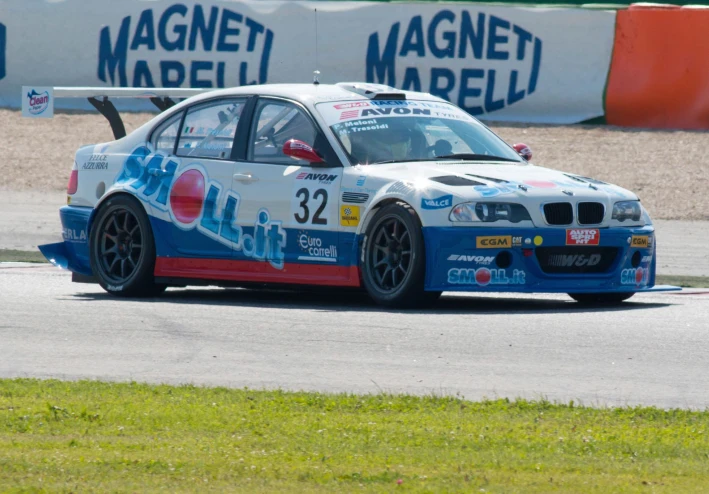
The V8 Rebellion: How BMW Built an Illegal Masterpiece to Crush the Competition.
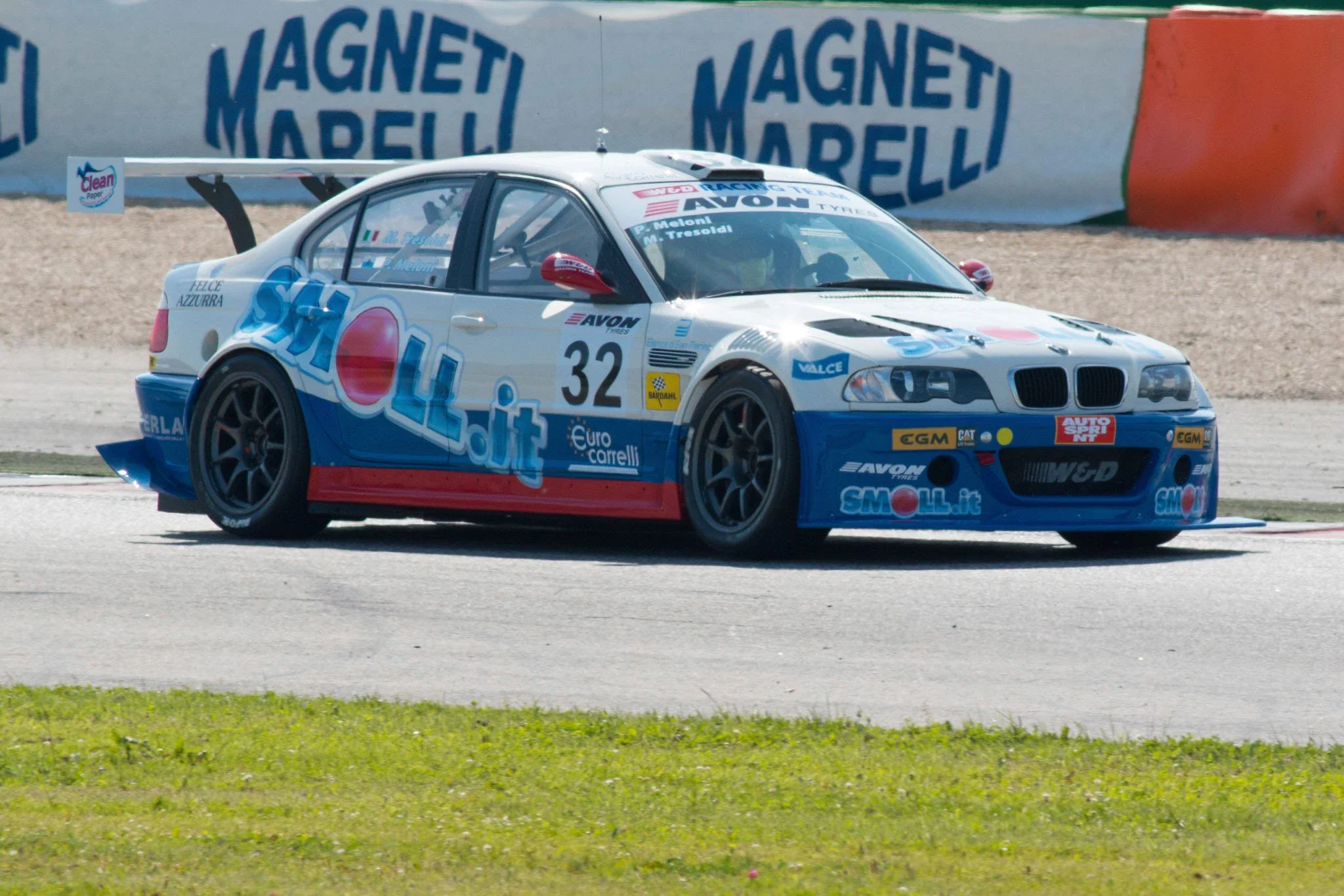
Banned Racing Icon: How the BMW M3 GTR E46 Changed the Game
The BMW M3 GTR E46 didn't just break racetrack regulations in 2001; it completely shattered them to carve out a legendary chapter in motorsport history. The story began with the Bavarian automaker's fierce desire to crush its rivals in the American Le Mans Series (ALMS). To achieve this, the company abandoned its traditional inline-six engine inherited by standard M3 generations. Instead, German engineers dropped in a purpose-built, race-bred V8 engine, shocking rival teams and permanently altering the mechanical balance of power.
The P60B40 Engine: A Mechanical Miracle Born of Defiance
To bypass the strict dominance of its competitors, BMW’s motorsport division needed a quantum leap that the old straight-six simply couldn't deliver on the track. The answer was the creation of the 4.0-liter naturally aspirated P60B40 V8 engine, featuring an ultra-lightweight aluminum block that actually weighed less than the standard production inline-six. This mechanical beast unleashed a roaring 443 horsepower in its racing trim, singing a screaming mechanical symphony that pushed insane RPM limits. Thanks to this lightweight power delivery, the already balanced chassis instantly transformed into a lethal weapon that was utterly unstoppable through high-speed corners.
This absolute dominance provoked the wrath of rival teams, spearheaded by Porsche, who viewed using a non-production engine as a blatant violation of the championship's spirit. Competitors argued that regulations required manufacturers to sell a specific number of street-legal versions to the public to legitimize the race cars. This mounting political pressure eventually forced BMW to take a bold step to save its racing reputation and claim the remaining titles of the season.
From Real-World Tracks to Digital Immortality
Complying with those stricter homologation rules, the German manufacturer produced an incredibly limited number of the road-going version, known as the "Strassenversion." These ultra-rare units retained the race-bred V8 engine, a dry-sump lubrication system, and the aggressively wide fenders that gave the car a menacing stance on the asphalt. Because of their extreme rarity, these few road cars became the ultimate holy grail for car collectors and mechanical purists worldwide.
Although the car's professional career on real race tracks was fleeting and short-lived, it achieved absolute immortality in the world of digital video games. Sporting its iconic silver and blue livery, the car took center stage in the greatest street racing games of the 2000s, becoming the definitive symbol of defiance and rebellion for an entire generation. For millions of players, the signature whine of the straight-cut gear transmission and the roar of the V8 exhaust became an unforgettable peak of auditory and visual nostalgia.
Today, this rich legacy continues to inspire developers and mechanics to build replicas of the original widebody design in tuning shops worldwide. It embodies a moment of sheer genius where engineering rebelled against bureaucratic constraints to seize a historic victory. As modern sports cars shift toward heavy hybrid powertrains and complex turbochargers, this icon remains the ultimate monument to the pure, golden age of mechanical engineering.








please login to be able to comment