How to Stay Independent After 70 Without Risking Your Safety
How to Stay Independent After 70 Without Risking Your Safety
Staying independent after 70 is possible when you combine smart daily habits, safe home adjustments, regular movement, and social connection. Many older adults live independently for decades because they actively protect their health, mobility, memory, and environment.
Independence does not mean doing everything alone. It means making choices, managing daily life, and maintaining confidence while reducing avoidable risks. Small changes often create the biggest long-term benefits.

Why Independence Matters After 70
Independence supports emotional health, confidence, and cognitive function. Older adults who remain active in decision-making often experience better mental well-being and stronger social engagement.
The National Institute on Aging links healthy aging with physical activity, social interaction, sleep quality, and fall prevention. These factors work together. When one area declines, other areas often follow.
Many people fear losing independence more than aging itself. That fear is understandable. Daily freedom affects dignity, routine, and quality of life.
How Can You Stay Safe While Living Independently?
You stay safe by reducing predictable risks before they become emergencies. Falls, medication mistakes, isolation, and poor lighting cause many preventable injuries among older adults.
Make Your Home Safer
Most accidents after 70 happen at home. A safer environment lowers injury risk and increases confidence.
Focus on these safety upgrades:
- Install grab bars in bathrooms and near stairs
- Remove loose rugs and electrical cords from walkways
- Improve lighting in hallways and entrances
- Use non-slip mats in showers and kitchens
- Keep frequently used items within easy reach
- Add handrails on both sides of staircases
- Use night lights in bedrooms and bathrooms
A home safety assessment from an occupational therapist can identify hidden risks that many families overlook.
Prevent Falls Before They Happen
Fall prevention protects mobility and long-term independence. According to the CDC, falls are one of the leading causes of injury among adults over 65.
Balance exercises, proper footwear, and strength training significantly reduce fall risk.
Exercises that improve balance include:
- Walking
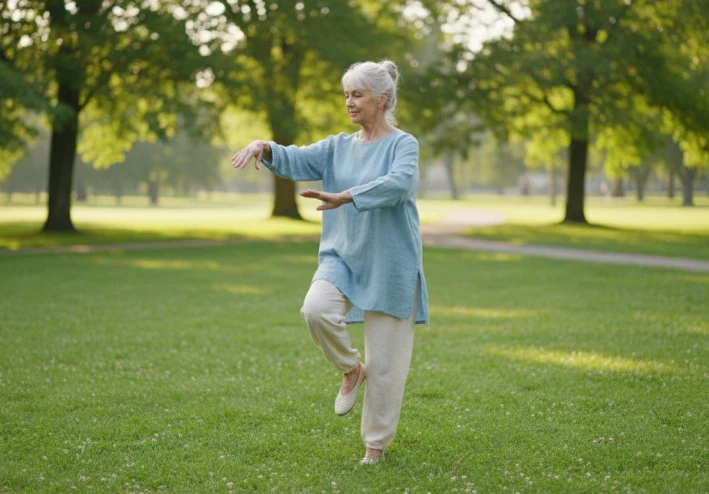
- Tai chi
- Chair yoga
- Leg-strengthening exercises
- Standing balance drills
Even 20 minutes of movement daily improves coordination and muscle stability.
Why Physical Activity Becomes More Important After 70
Physical activity preserves muscle mass, bone density, heart health, and mobility. Inactivity increases the risk of frailty, falls, diabetes, and joint stiffness.
You do not need intense workouts. Consistency matters more than intensity.
What Types of Exercise Work Best?
The best exercises after 70 combine strength, flexibility, endurance, and balance.
| Exercise Type | Main Benefit | Recommended Frequency |
|---|---|---|
| Walking | Improves heart health and mobility | Daily |
| Strength Training | Protects muscles and bones | 2-3 times weekly |
| Stretching | Improves flexibility | Daily |
| Tai Chi | Supports balance and coordination | 2-4 times weekly |
| Swimming | Reduces joint stress | Weekly |
Many community centers and senior organizations offer low-impact fitness classes designed for older adults.
How Does Nutrition Affect Independent Living?
Nutrition directly affects energy, immunity, strength, and brain function. Poor nutrition weakens muscles and increases health complications.
What Should Adults Over 70 Eat More Often?
Adults over 70 benefit from nutrient-dense foods that support bones, muscles, and cardiovascular health.
Helpful food choices include:
- Lean proteins such as fish, eggs, and beans
- Leafy greens rich in calcium and vitamin K
- Whole grains for steady energy
- Berries and colorful vegetables for antioxidants
- Dairy products or calcium-rich alternatives
- Nuts and olive oil for healthy fats
Hydration also matters. Dehydration increases dizziness, confusion, and fatigue in older adults.
How Important Is Meal Routine?
Consistent meal timing helps regulate blood sugar, energy levels, and medication schedules. Skipping meals increases weakness and concentration problems.
Simple meal preparation strategies can support independence:
- Prepare meals in batches
- Use labeled storage containers
- Keep healthy snacks visible
- Choose easy-to-open packaging
- Use grocery delivery services if needed
How Can Technology Help Seniors Stay Independent?
Technology improves safety, communication, and emergency response. Modern devices help older adults manage daily tasks without reducing autonomy.
Which Devices Improve Safety?
Several technologies reduce risk while supporting independent living.
| Device | Purpose |
|---|---|
| Medical alert systems | Provide emergency assistance |
| Smart doorbells | Improve home security |
| Medication reminders | Reduce missed doses |
| Smart speakers | Enable voice-controlled help |
| Fitness trackers | Monitor activity and heart rate |
Many devices now include large displays, voice commands, and simplified controls designed for seniors.
Can Technology Reduce Loneliness?
Video calls, messaging apps, and online communities help older adults maintain social contact. Social isolation increases the risk of depression, memory decline, and anxiety.
Regular communication with family and friends supports emotional resilience and cognitive health.
Why Social Connections Protect Independence
Strong relationships encourage activity, emotional stability, and mental sharpness. People with active social lives often maintain independence longer than isolated individuals.
How Can Older Adults Stay Socially Active?
Social activity does not require large gatherings. Consistent interaction matters more than group size.
Helpful social activities include:
- Joining walking groups
- Attending community classes
- Volunteering locally
- Participating in faith communities
- Calling friends regularly
- Playing group games or cards
- Taking hobby workshops
Purposeful social routines create structure and improve emotional well-being.
How Important Is Brain Health After 70?
Brain health influences decision-making, memory, safety awareness, and confidence. Cognitive decline can affect financial management, medication use, and navigation.
What Supports Cognitive Function?
Mental stimulation helps maintain cognitive performance.
Activities that support brain health:
- Reading regularly
- Learning new skills
- Solving puzzles
- Practicing memory games
- Playing musical instruments
- Having meaningful conversations
Sleep also plays a major role. Poor sleep affects memory, reaction time, and mood.
When Should Memory Changes Be Evaluated?
Occasional forgetfulness is common with aging. Frequent confusion, repeated missed appointments, or medication errors require medical evaluation.
Early assessment improves treatment options and long-term planning.
How to Manage Medications Safely
Medication mistakes increase hospitalization risk among older adults. Clear organization prevents confusion and missed doses.
Best Practices for Medication Safety
- Use weekly pill organizers
- Store medications in visible locations
- Review prescriptions regularly with doctors
- Avoid mixing medications without guidance
- Set phone reminders for doses
- Track side effects in a notebook
Pharmacists can identify harmful interactions between prescriptions and supplements.
Should Older Adults Still Drive?
Many adults over 70 drive safely for years. Driving ability depends on vision, reaction time, mobility, and cognitive function rather than age alone.
How Can Seniors Drive More Safely?
Safe driving habits reduce accident risk while preserving independence.
Helpful driving adjustments include:
- Avoid driving at night during poor visibility
- Use routes with familiar roads
- Schedule regular vision checks
- Limit distractions inside the car
- Keep emergency contacts available
When driving becomes unsafe, transportation alternatives can maintain freedom without increasing danger.
What Role Does Preventive Healthcare Play?
Preventive healthcare helps detect problems early before they limit independence.
Important Health Screenings After 70
| Screening | Purpose |
|---|---|
| Vision exams | Detect eye diseases and vision loss |
| Hearing tests | Identify hearing decline |
| Bone density scans | Measure osteoporosis risk |
| Blood pressure checks | Monitor cardiovascular health |
| Diabetes screening | Detect blood sugar problems |
Vaccinations also reduce serious illness risk. Influenza, pneumonia, shingles, and COVID-19 vaccines remain important for older adults.
How Can Families Support Independence Without Taking Control?
Families support independence best by encouraging autonomy while assisting with specific challenges.
What Kind of Support Helps Most?
Helpful support respects personal decisions and daily routines.
- Offer transportation when needed
- Assist with technology setup
- Help organize medical appointments
- Encourage physical activity
- Monitor major safety concerns
- Maintain regular communication
Respectful support builds confidence instead of dependency.
What Are the Biggest Mistakes That Reduce Independence?
Several habits quietly increase risk over time.
Common Mistakes Include:
- Ignoring minor balance problems
- Avoiding physical activity
- Skipping medical checkups
- Living in unsafe home conditions
- Withdrawing from social interaction
- Mismanaging medications
- Refusing practical assistance
Addressing small issues early prevents larger health and safety problems later.
Building a Long-Term Plan for Independent Living
Long-term independence requires planning, flexibility, and realistic adjustments. Health needs change gradually. Preparing early creates more control over future decisions.
Questions Worth Considering
- Is the current home suitable for aging safely?
- Are emergency contacts updated?
- Does daily routine include movement and social activity?
- Are finances organized clearly?
- Is transportation reliable?
Planning reduces stress during unexpected health changes.
Many adults over 70 continue traveling, exercising, volunteering, learning, and managing households independently. Safe independence grows from awareness, preparation, movement, and connection.