
How to Improve Your Focus and Stop Procrastination (A Practical Guide for Real Results)

Master Your Focus: Break Free from Procrastination and Take Control of Your Time
In today’s fast-paced, hyper-connected world, maintaining focus has become increasingly difficult. Every day, we are surrounded by constant notifications, social media updates, endless content, and an overwhelming number of responsibilities. As a result, many people find themselves starting tasks with good intentions, only to get distracted minutes later. Over time, this pattern leads to procrastination, missed opportunities, and a growing sense of frustration
What makes this issue even more challenging is that it’s often misunderstood. People tend to label themselves as “lazy” or “undisciplined” when they struggle to stay focused. However, the truth is far more complex. Procrastination is rarely about a lack of effort—it is usually a response to deeper factors such as stress, fear of failure, lack of clarity, or mental fatigue. When tasks feel overwhelming or unclear, the brain naturally seeks comfort in distractions
At the same time, modern technology plays a significant role in shaping our attention. Platforms are designed to capture and hold our focus for as long as possible, making it harder to concentrate on meaningful work. This doesn’t mean technology is the enemy, but it does mean that without awareness and control, it can easily take over our time and energy
The good news is that focus is not something you either have or don’t have—it is a skill that can be developed. Just like building muscle, improving focus requires consistent practice, the right techniques, and a supportive environment. Small changes in your daily habits can lead to significant improvements over time. Learning how to manage distractions, break tasks into manageable steps, and create a structured routine can completely transform the way you work and live
Another important aspect to consider is the relationship between focus and energy. Many people try to force themselves to work harder without paying attention to their mental and physical state. However, productivity is not just about managing time—it’s about managing energy. Understanding when you are most alert and using that time for high-priority tasks can make a huge difference in your output
This article is designed to provide you with practical, realistic strategies to improve your focus and overcome procrastination. Instead of relying on motivation alone—which often comes and goes—you will learn systems and techniques that help you take action even when you don’t feel like it. From simple methods like the “2-minute rule” to more structured approaches like time blocking, each strategy is easy to apply and highly effective when used consistently
Ultimately, the goal is not perfection. You don’t need to eliminate distractions completely or become productive every single minute of the day. The goal is progress—building better habits, becoming more aware of how you use your time, and taking control of your attention
Because once you learn how to focus, you don’t just get more work done—you gain clarity, confidence, and a stronger sense of direction in everything you do

Understand Why You Procrastinate
Before fixing the problem, you need to understand it
:Common reasons
- Fear of failure
- Tasks feel too big
- Lack of clarity
- Mental fatigue
:Key insight
Procrastination is often emotional, not logical. You avoid tasks because of how they make you feel

Use the “2-Minute Rule” to Start
Getting started is usually the hardest part
:Rule
If a task takes less than 2 minutes—do it immediately
If it’s bigger—start with just 2 minutes
:Why it works
It tricks your brain into overcoming resistance. Once you start, continuing becomes easier
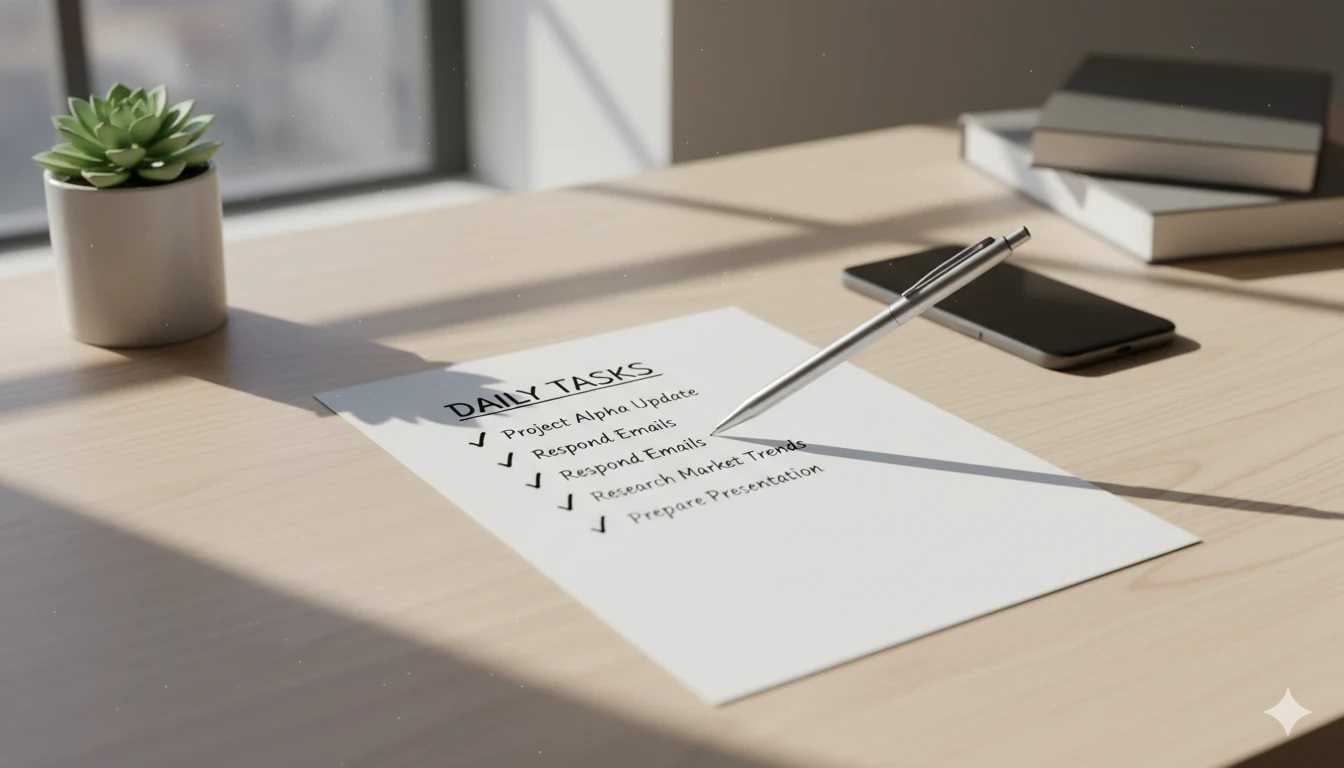
Break Tasks into Small, Clear Steps
Big tasks create overwhelm
:Instead of
“Edit a video”
:Do this
- Open editing software
- Import clips
- Cut first 30 seconds
- Small steps reduce mental resistance and make progress visible

Eliminate Distractions (Aggressively)
Focus is not about willpower—it’s about environment
:What to do
- Turn off notifications
- Put your phone in another room
- Use website blockers if needed
:Reality
If distractions are around you, you will eventually give in
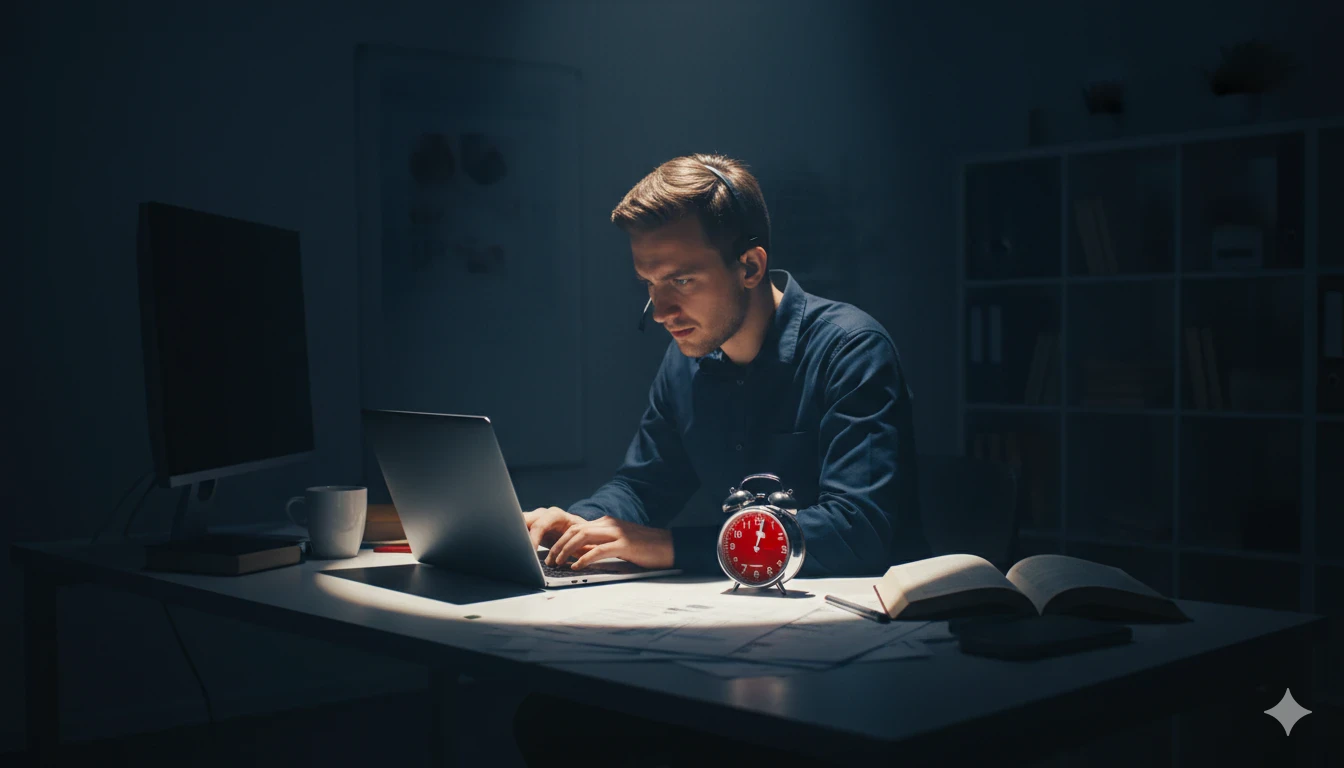
Use Time Blocks (Deep Work Sessions)
Work in focused sessions instead of random effort
:Simple method
- 25–50 minutes focused work
- 5–10 minutes break
- This is often called the Pomodoro technique, and it helps maintain mental energy
6.  Set Clear, Measurable Goals
Vague goals lead to procrastination
Bad goal: “I want to be productive”
Good goal: “Finish editing 1 video today”
Clarity removes confusion—and confusion creates delay

Reward Yourself (Strategically)
Your brain responds to rewards
:Example
- Finish a task → watch something you enjoy
- Complete work → take a relaxing break
- This builds a positive association with productivity

Accept Imperfection
Perfectionism is a hidden form of procrastination
- :Truth
Waiting for perfect conditions = never starting - Focus on progress, not perfection

Manage Your Energy, Not Just Time
You don’t have the same energy all day
:Do this
- Work on hard tasks when your energy is highest
- Save easy tasks for low-energy periods
- Productivity is about energy management, not just scheduling

Build a Daily Routine
Consistency reduces decision fatigue
:Simple structure
- Same wake-up time
- Fixed work periods
- Planned breaks
- Routine turns discipline into habit

Final Tips for Staying Focused
- Start small: Don’t overwhelm yourself
- Stay consistent: Even slow progress counts
- Track your progress: It keeps you motivated
- Avoid multitasking: It reduces efficiency
- Rest properly: Burnout destroys focus
Conclusion
Improving focus and overcoming procrastination is not about becoming perfect—it’s about becoming more aware and intentional with your time. Small changes, when applied consistently, can completely transform your productivity and mindset
You don’t need more time—you need better focus
And once you master that, everything else becomes easier