

In this article
This article has been classified as ineligible for monetization under the platform’s current standards. Ads are not displayed on it, and it is not included in public article listings or internal search results. However, it remains accessible through its direct link.
Ineligibility does not necessarily mean that the article violates platform policies. It may relate to content standards, traffic quality, or the platform’s monetization requirements.
Amid today’s environmental and economic challenges, renewable energy has emerged as a strategic solution to ensure resource sustainability and diversify economies. The Arab world is witnessing a remarkable shift toward adopting clean energy sources, driven by abundant natural resources like sunlight and wind, as well as a desire to reduce reliance on oil.
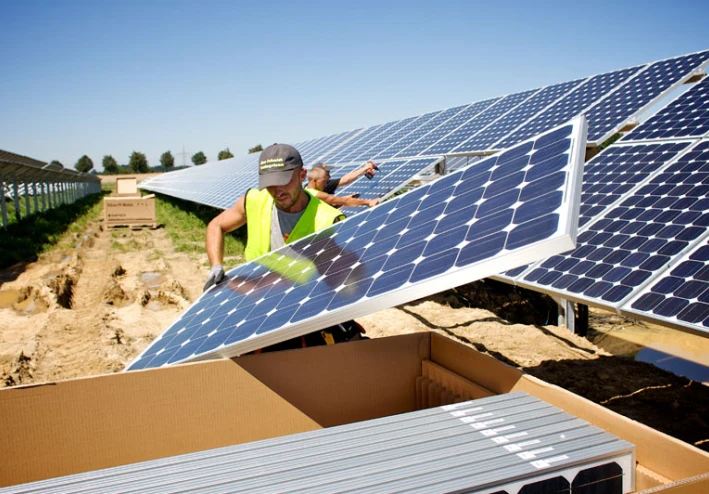
Arab nations, particularly those in the Gulf and North Africa, possess immense potential in solar energy. The UAE’s Mohammed bin Rashid Al Maktoum Solar Park—one of the world’s largest solar projects—exemplifies this commitment. Saudi Arabia is also making strides with its smart city project NEOM, which aims to rely entirely on renewable energy. Meanwhile, Morocco’s Noor Solar Complex marks a transformative step toward energy self-sufficiency.
Challenges: Costs and Infrastructure
Despite these opportunities, the region faces hurdles such as high technology costs and inadequate infrastructure. However, an 80% drop in solar panel prices over the past decade, coupled with international support through initiatives like the Arab Renewable Energy Initiative, has opened doors for investment collaboration and knowledge transfer.
Green Economy: A Pillar of Development
Renewable energy’s benefits extend beyond environmental gains to economic growth, creating jobs in engineering, maintenance, and research. It also diversifies income sources, reducing reliance on volatile oil markets. Countries like Egypt and Jordan have announced ambitious plans to increase the share of clean energy in their national grids to 50% by 2030.
Conclusion: A Promising Future Through Global Partnership
The transition to renewables in the Arab world is not merely an option but a necessity to align with global shifts. Success hinges on stronger partnerships between governments, the private sector, and the international community, as well as investments in innovation and public awareness. With this vision, the Arab world can become a key player in shaping a new global energy map—balancing development with planetary preservation.
This article highlights Arab efforts in renewable energy, emphasizing both potential and challenges, while advocating for enhanced cooperation to achieve sustainable development goals.
Keep up with Massi Ferrag
Choose site notifications, email, or both. Guests can subscribe by email without an account.
Report this article
Tell our review team about a problem with this content. Your details will not be shown to the author or other readers.
Your report could not be sent. Please try again later.
Sign in to report an article





Discussion
comments (0)
Share a perspective. Start a thoughtful conversation.
please login to be able to comment