Coronavirus (COVID-19): The Pandemic That Changed the World
Coronavirus (COVID-19): The Global Pandemic That Changed the World
Introduction
The Coronavirus (COVID-19) pandemic is one of the most significant global health crises in modern history. It affected nearly every country, changed the lives of billions of people, and reshaped the way societies function. Since its emergence in late 2019, the virus has had a profound impact on public health, economies, education, and daily life. Although the world has made remarkable progress in controlling the disease through vaccines, medical research, and public health measures, the pandemic remains an important lesson about the importance of global cooperation and preparedness.
What Is Coronavirus
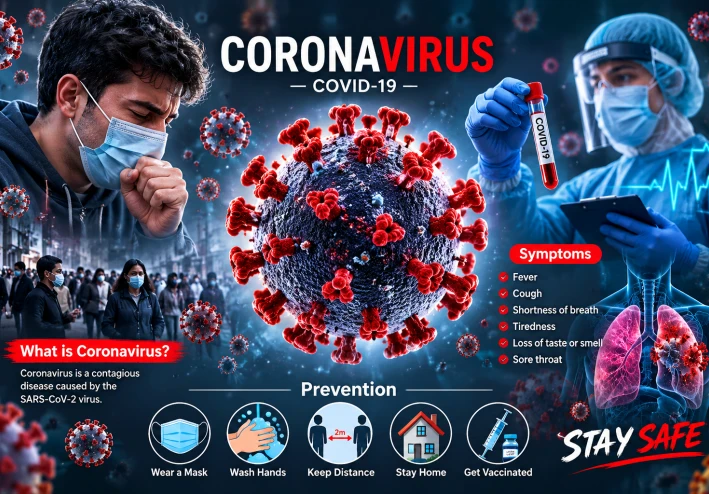
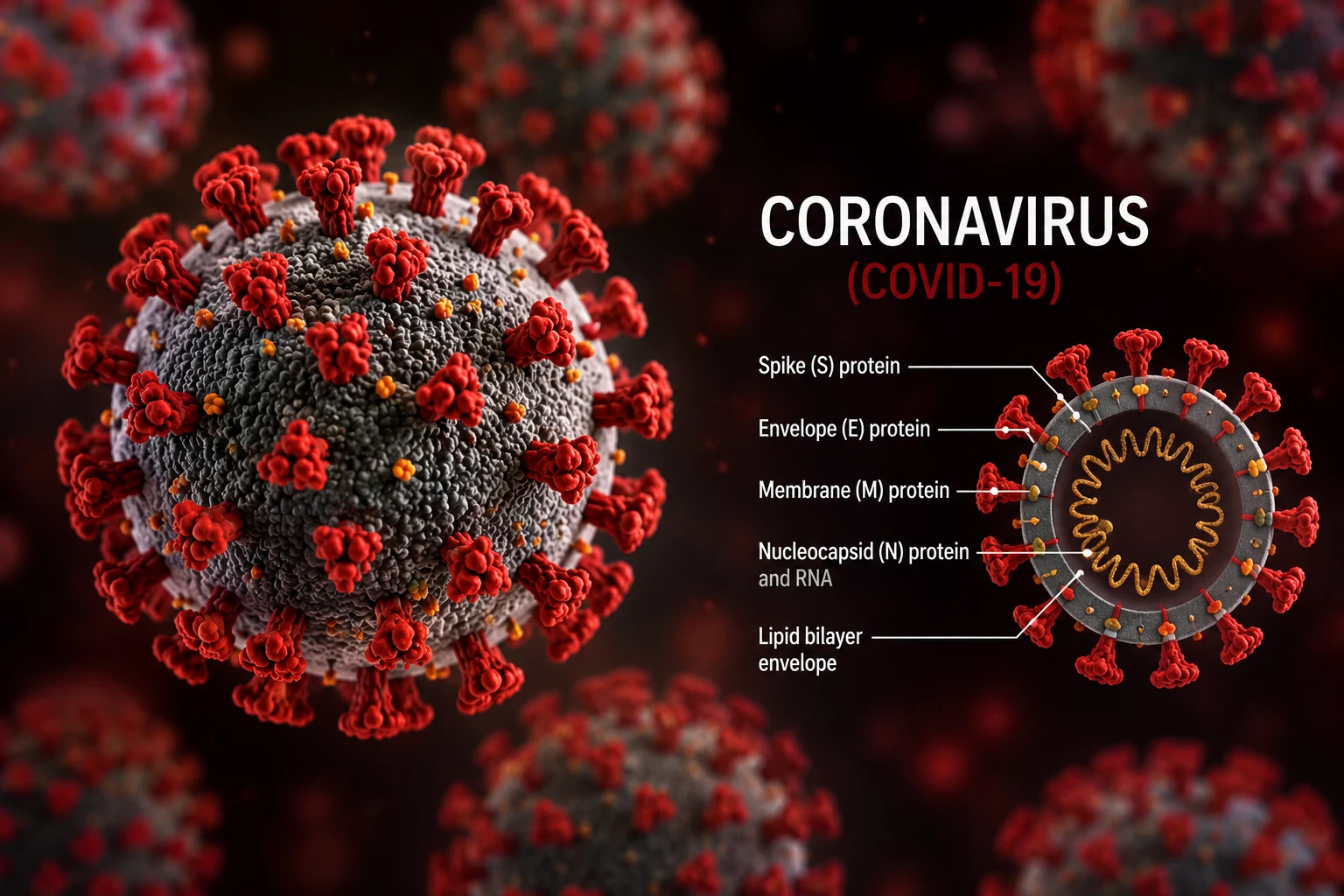
Coronavirus refers to a large family of viruses that can infect humans and animals. Some coronaviruses cause mild illnesses such as the common cold, while others can lead to severe respiratory diseases. COVID-19 is caused by a virus called SARS-CoV-2, which primarily attacks the respiratory system.
The virus spreads mainly through tiny droplets released when an infected person coughs, sneezes, talks, or breathes. People can also become infected by touching contaminated surfaces and then touching their eyes, nose, or mouth, although this is considered a less common route of transmission. Because COVID-19 spreads easily, it quickly became a worldwide public health emergency.
The Beginning of the Pandemic
The first cases of COVID-19 were identified in Wuhan, China, in December 2019. Within a few months, international travel allowed the virus to spread rapidly across continents. As the number of infections increased dramatically, the World Health Organization (WHO) declared COVID-19 a global pandemic on March 11, 2020.
Governments around the world introduced emergency measures to slow the spread of the virus. These included travel restrictions, lockdowns, school closures, social distancing policies, and mandatory face masks in many public places. While these measures helped reduce transmission, they also caused significant disruptions to daily life and the global economy.
Symptoms of COVID-19
COVID-19 affects people differently. Some individuals experience only mild symptoms, while others develop severe illness requiring hospitalization. The most common symptoms include:
* Fever or chills
* Dry cough
* Fatigue
* Sore throat
* Headache
* Muscle or body aches
* Loss of taste or smell
* Shortness of breath
* Runny or blocked nose
Older adults and people with underlying health conditions such as heart disease, diabetes, obesity, or chronic lung disease are more likely to experience serious complications. However, many infected individuals have very mild symptoms or no symptoms at all, making it easier for the virus to spread unnoticed.
Prevention and Safety Measures
Preventing the spread of COVID-19 became a shared responsibility. Health organizations recommended several simple but effective preventive measures:
* Wash hands regularly with soap and water for at least 20 seconds.
* Use alcohol-based hand sanitizer when soap is unavailable.
* Cover the mouth and nose when coughing or sneezing.
* Stay home when feeling sick.
* Wear a face mask when recommended, especially in crowded indoor spaces or during outbreaks.
* Improve indoor ventilation.
* Keep up to date with recommended COVID-19 vaccinations.
These measures significantly reduced the risk of infection and helped protect vulnerable members of society.
The Impact on Healthcare Systems
The pandemic placed enormous pressure on healthcare systems worldwide. Hospitals became overcrowded with patients, and healthcare workers faced long hours, limited resources, and difficult working conditions. Many countries experienced shortages of medical equipment, hospital beds, protective gear, and healthcare staff during the early stages of the pandemic.
Despite these challenges, healthcare professionals demonstrated extraordinary dedication and courage. Scientists, doctors, nurses, and researchers worked together to improve treatment methods, develop testing technologies, and provide better care for patients.
Economic Consequences
COVID-19 caused one of the largest economic disruptions in recent history. Businesses temporarily closed, factories reduced production, and international trade slowed significantly. Industries such as tourism, aviation, entertainment, and hospitality suffered major financial losses.
Millions of people lost their jobs or experienced reduced incomes. At the same time, some industries grew rapidly. Online shopping, food delivery services, remote work technologies, cloud computing, and digital communication platforms became increasingly important as people adapted to staying at home.
The pandemic accelerated digital transformation and encouraged businesses to adopt flexible working models that continue to influence workplaces today.
The Effect on Education
Education systems around the world were heavily affected by COVID-19. Schools, colleges, and universities closed their campuses, forcing students and teachers to switch to online learning.
Although remote education allowed learning to continue, it also revealed major challenges. Many students lacked reliable internet access or suitable digital devices. Teachers had to adapt quickly to new technologies and teaching methods.
Despite these difficulties, the pandemic encouraged innovation in education. Schools invested in digital learning platforms, virtual classrooms, and educational technologies that continue to support learning beyond traditional classrooms.
Vaccines and Scientific Progress
One of the greatest achievements during the pandemic was the rapid development of effective COVID-19 vaccines. Scientists from around the world collaborated to produce safe vaccines in record time. Vaccination campaigns helped reduce severe illness, hospitalizations, and deaths.
The success of vaccine development demonstrated the power of international scientific cooperation and modern medical research. Researchers continue to monitor new variants of the virus and improve vaccines and treatments when necessary.
Vaccines have played a crucial role in helping societies reopen businesses, schools, and public services while reducing the overall impact of the disease.
Mental Health and Social Changes
The pandemic affected mental health as well as physical health. Isolation, uncertainty, fear of infection, financial difficulties, and the loss of loved ones increased levels of stress, anxiety, and depression in many communities.
At the same time, families spent more time together, and many people developed a greater appreciation for health, relationships, and work-life balance. Communities organized volunteer efforts to support vulnerable individuals, showing the importance of compassion and social responsibility during difficult times.
Lessons Learned from COVID-19
The COVID-19 pandemic provided valuable lessons for individuals, governments, and international organizations. Some of the most important lessons include:
* Strong healthcare systems are essential for public safety.
* Scientific research and innovation save lives.
* International cooperation is necessary to respond to global health emergencies.
* Public health education helps reduce the spread of infectious diseases.
* Digital technologies play an increasingly important role in work, education, and healthcare.
* Personal responsibility, including following health guidelines, protects both individuals and communities.
These lessons have encouraged many countries to improve emergency preparedness and strengthen public health systems.
Conclusion
The COVID-19 pandemic changed the world in ways that will be remembered for generations. It challenged healthcare systems, disrupted economies, transformed education, and altered everyday life across the globe. However, it also highlighted humanity's resilience, the importance of scientific research, and the value of international cooperation.
Although many challenges were faced during the pandemic, the experience encouraged innovation, strengthened healthcare systems, and increased public awareness about disease prevention. The lessons learned from COVID-19 will help the world become better prepared for future global health emergencies. By working together, supporting scientific progress, and promoting responsible public health practices, societies can build a healthier and more resilient future.