

In this article
Gemstones: Beauty, History, and Value
Gemstones are rare and valuable minerals or rocks that have fascinated humans for thousands of years. They are admired for their beauty, durability, and unique appearance. Gemstones come in a wide variety of colors, shapes, and sizes, which makes them highly desirable for jewelry and decorative objects. Throughout history, people have collected and traded gemstones not only for their aesthetic value but also for their cultural and symbolic meanings.
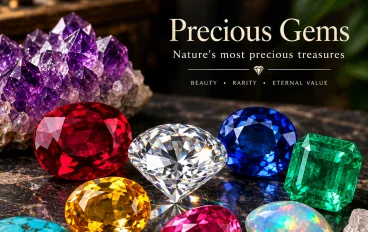
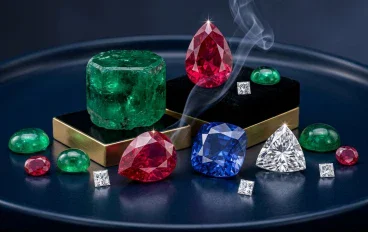
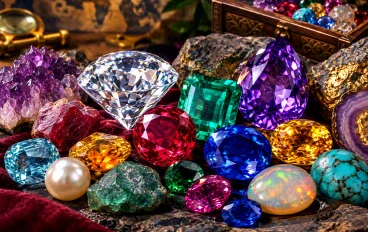
Some of the most popular and valuable gemstones include diamonds, emeralds, sapphires, and rubies. These stones are often considered precious because of their rarity, clarity, color, and quality of cut. A well-cut gemstone reflects light beautifully, enhancing its brilliance and attractiveness. Jewelers carefully shape and polish gemstones to maximize their natural beauty and increase their value in the market.
Most gemstones are formed deep within the Earth over millions of years. They are created through geological processes involving heat, pressure, minerals, and water. Some gemstones form in volcanic rocks, while others develop in sedimentary environments or metamorphic rocks. In addition to mineral gemstones, there are also organic gemstones such as pearls, amber, and coral, which originate from living organisms rather than geological processes.
Gemstones can also be classified based on their chemical composition and physical characteristics. Some are metallic or contain traces of metals, while others are purely mineral or organic in nature. Experts often categorize gemstones according to factors such as color, clarity, hardness, transparency, and pattern. These characteristics help determine the quality and value of each stone in the gemstone market.
Throughout history, gemstones have played an important role in many cultures and religions. Ancient civilizations believed that certain stones had protective powers and could bring luck, health, or spiritual balance. Kings and queens often wore gemstone jewelry as a symbol of power and wealth. In many traditions, gemstones were also used in religious ceremonies, meditation practices, and spiritual rituals.
In modern times, gemstones are primarily used in jewelry such as rings, necklaces, bracelets, and earrings. However, some people still believe that gemstones carry special energies that may influence emotional or physical well-being. While scientific evidence supporting these beliefs is limited, the cultural significance of gemstones continues to inspire interest and curiosity among many people around the world.
Precious stones can be found in various natural environments. They are commonly discovered in volcanic regions, mountain ranges, riverbeds, and even deep beneath the oceans. Natural events such as volcanic eruptions, erosion, and earthquakes can bring gemstones closer to the Earth's surface, making them easier to discover and mine. Miners and geologists work carefully to extract these valuable resources from the ground.
In addition to natural gemstones, scientists have developed synthetic gemstones in laboratories. These lab-created stones often have similar physical and chemical properties to natural gemstones but are produced using controlled technological processes. Although synthetic gemstones may look nearly identical to natural ones, collectors and experts can usually distinguish between them through specialized testing methods.
In conclusion, gemstones remain one of the most fascinating treasures of the natural world. Their beauty, rarity, and historical importance make them highly valued across cultures and generations. Whether used in jewelry, collected for their beauty, or studied for their geological origins, gemstones continue to capture the imagination of people around the globe.
Keep up with ramy elsayed
Choose site notifications, email, or both. Guests can subscribe by email without an account.
Report this article
Tell our review team about a problem with this content. Your details will not be shown to the author or other readers.
Your report could not be sent. Please try again later.
Sign in to report an article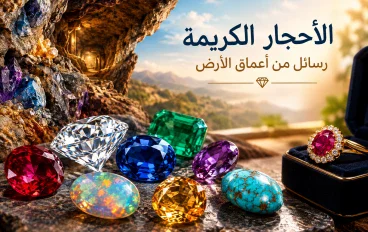






Discussion
comments (0)
Share a perspective. Start a thoughtful conversation.
please login to be able to comment