The Strength of Egypt's Armed Forces: A Pillar of National Security and Regional Stability
The Strength of Egypt's Armed Forces: A Pillar of National Security and Regional Stability
The Strength of Egypt's Armed Forces: A Pillar of National Security and Regional Stability
The Egyptian Armed Forces are widely recognized as one of the most capable military institutions in the Middle East and Africa. With a long history, extensive experience, and continuous modernization, they play a vital role in protecting Egypt's sovereignty, securing its borders, and contributing to regional stability. Their strength is not based solely on the number of personnel or military equipment but also on strategic planning, professional training, technological advancement, and the ability to respond to a wide range of security challenges.
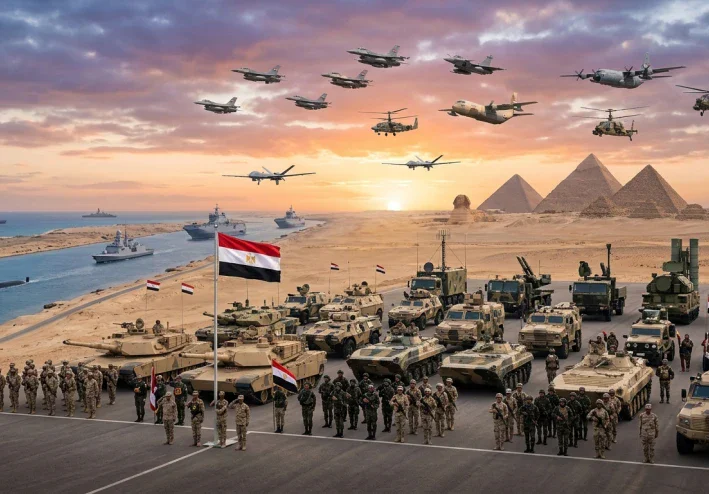
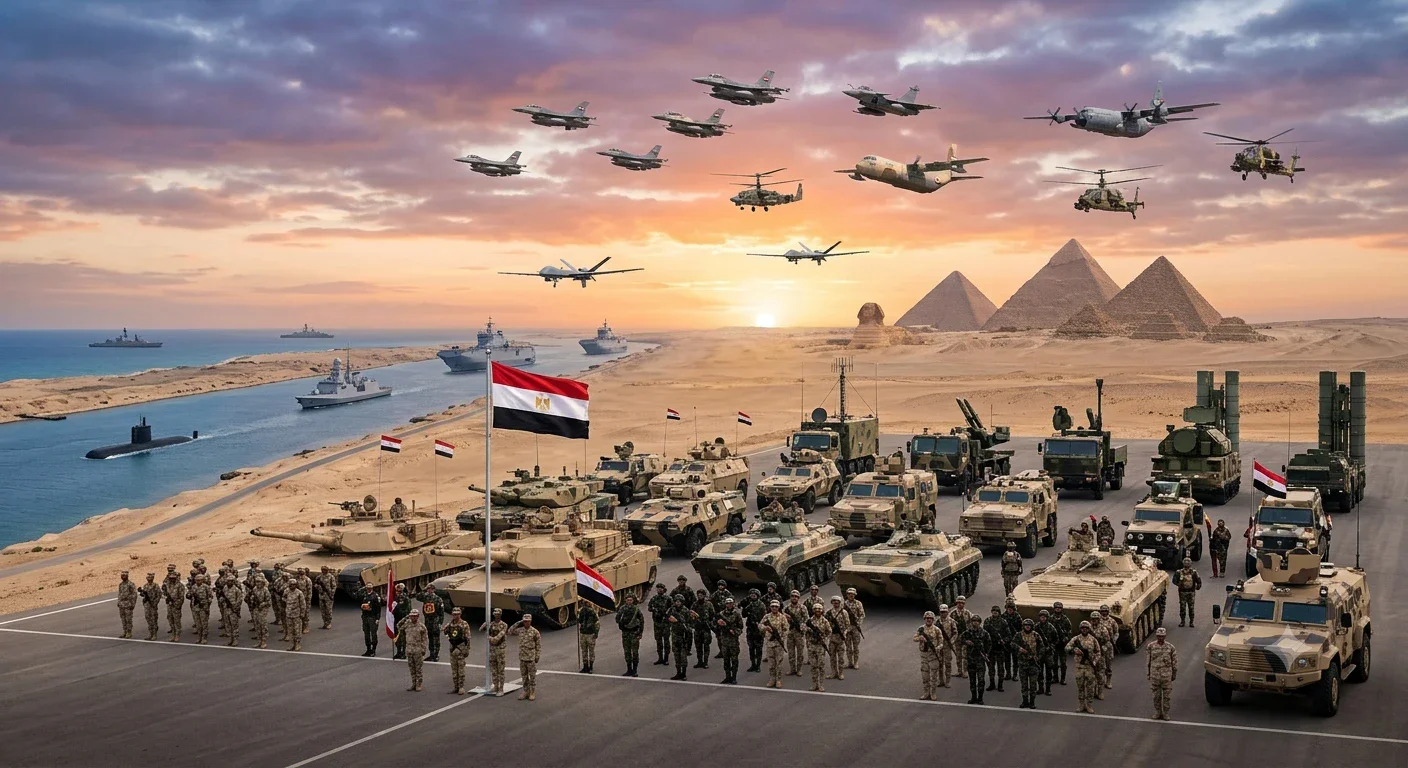
One of the most important factors behind the strength of Egypt's military is its strategic geographic location. Egypt controls the Suez Canal, one of the world's most significant maritime trade routes, making national security a matter of both domestic and international importance. The Armed Forces are responsible for safeguarding this strategic waterway as well as protecting the country's extensive land and maritime borders.
The Egyptian military consists of several major branches, including the Army, Air Force, Navy, Air Defense Forces, and Special Operations units. Each branch performs specialized missions while working together as an integrated defense system. The Egyptian Army is equipped with a wide range of armored vehicles, tanks, artillery systems, and modern infantry equipment. Continuous training programs help ensure that personnel remain prepared for both conventional and unconventional threats.
The Egyptian Air Force is among the largest in the region and operates a diverse fleet of modern fighter aircraft, transport planes, helicopters, reconnaissance platforms, and unmanned aerial systems. These capabilities provide rapid response, surveillance, and air defense support for military operations. Regular multinational exercises with friendly nations help improve operational readiness and strengthen international military cooperation.
The Egyptian Navy has expanded significantly over recent years to protect Egypt's long coastlines along the Mediterranean Sea and the Red Sea. Modern surface vessels, submarines, amphibious ships, and maritime patrol capabilities enable the Navy to secure important sea lanes, protect offshore resources, and support humanitarian and security missions. This modernization reflects Egypt's growing emphasis on maritime security.
Air Defense Forces represent another essential component of Egypt's military capability. Through a combination of radar networks, missile systems, and command-and-control technologies, they provide protection against aerial threats and contribute to the country's integrated defense strategy.
Military education and professional development also contribute greatly to Egypt's defense capabilities. Officers and soldiers receive continuous training that emphasizes leadership, discipline, technical skills, and operational planning. Joint exercises with international partners provide opportunities to exchange experience and improve interoperability in various mission scenarios.
In addition to its defense responsibilities, the Egyptian Armed Forces often participate in national development projects and emergency response operations. They have supported infrastructure construction, disaster relief efforts, medical services during crises, and humanitarian assistance when needed. These contributions demonstrate the military's broader role in supporting national resilience.
Egypt also places considerable importance on maintaining balanced international defense relationships. Military cooperation with various countries allows the exchange of expertise, participation in joint exercises, and access to advanced technologies while supporting regional security partnerships.
Technological modernization remains a key priority. Investments in communications, surveillance systems, electronic warfare capabilities, cybersecurity, and modern command-and-control systems help improve operational effectiveness. As security challenges evolve, adapting to new technologies becomes increasingly important for maintaining national defense.
Another significant strength of the Egyptian Armed Forces is their ability to conduct operations across multiple domains, including land, sea, and air. Integrated planning, logistics, intelligence, and coordination among different military branches enhance operational flexibility and readiness in different situations.
In conclusion, the Egyptian Armed Forces play a central role in protecting the nation's independence, territorial integrity, and strategic interests. Through modernization, professional training, diversified capabilities, and commitment to national security, they continue to serve as a major pillar of stability. Their responsibilities extend beyond military defense to supporting national development and contributing to regional peace and security. As Egypt continues to invest in modernization and preparedness, its Armed Forces remain an essential institution dedicated to safeguarding the country's future.