NYC Air Quality Alert: Why Canadian Wildfire Smoke Is Choking New York Again
What's Happening in NYC Right Now
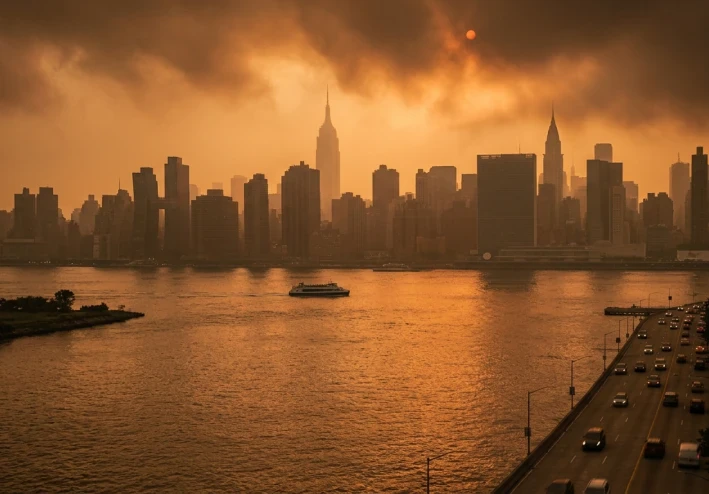
New York City Emergency Management and the city's Department of Health issued an air quality advisory after smoke from wildfires burning in western Ontario, Canada, began drifting into the region. On Thursday morning, the city's Air Quality Index (AQI) was already sitting at 162, a level considered "Unhealthy," and officials projected it could climb as high as 200 later in the day.
The smoke arrived alongside a dangerous heat wave, with temperatures pushing into the upper 90s and heat indexes reaching over 100 degrees. Travelers flying out of LaGuardia Airport reported orange, hazy skies and reduced visibility, echoing scenes many New Yorkers remember from the historic smoke event of June 2023, when AQI levels in the city peaked at an unprecedented 484.
What Is AQI, and Why Does the Number Matter?
The Air Quality Index, or AQI, is a scale created by the U.S. Environmental Protection Agency to translate pollution levels into an easy-to-understand number, ranging from 0 to 500. The higher the number, the greater the health risk. Here's how the scale breaks down:
- 0–50 (Good): Air quality poses little to no risk.
- 51–100 (Moderate): Acceptable for most people, though unusually sensitive individuals may notice minor effects.
- 101–150 (Unhealthy for Sensitive Groups): Children, older adults, and people with heart or lung conditions should limit outdoor activity.
- 151–200 (Unhealthy): Everyone may begin experiencing health effects, not just sensitive groups.
- 201–300 (Very Unhealthy): A health alert for the entire population.
During this week's smoke event, much of New York City has hovered in the "Unhealthy" range, meaning that even healthy adults could experience symptoms like coughing, shortness of breath, dizziness, or fatigue.
Why Canadian Wildfires Keep Affecting American Cities
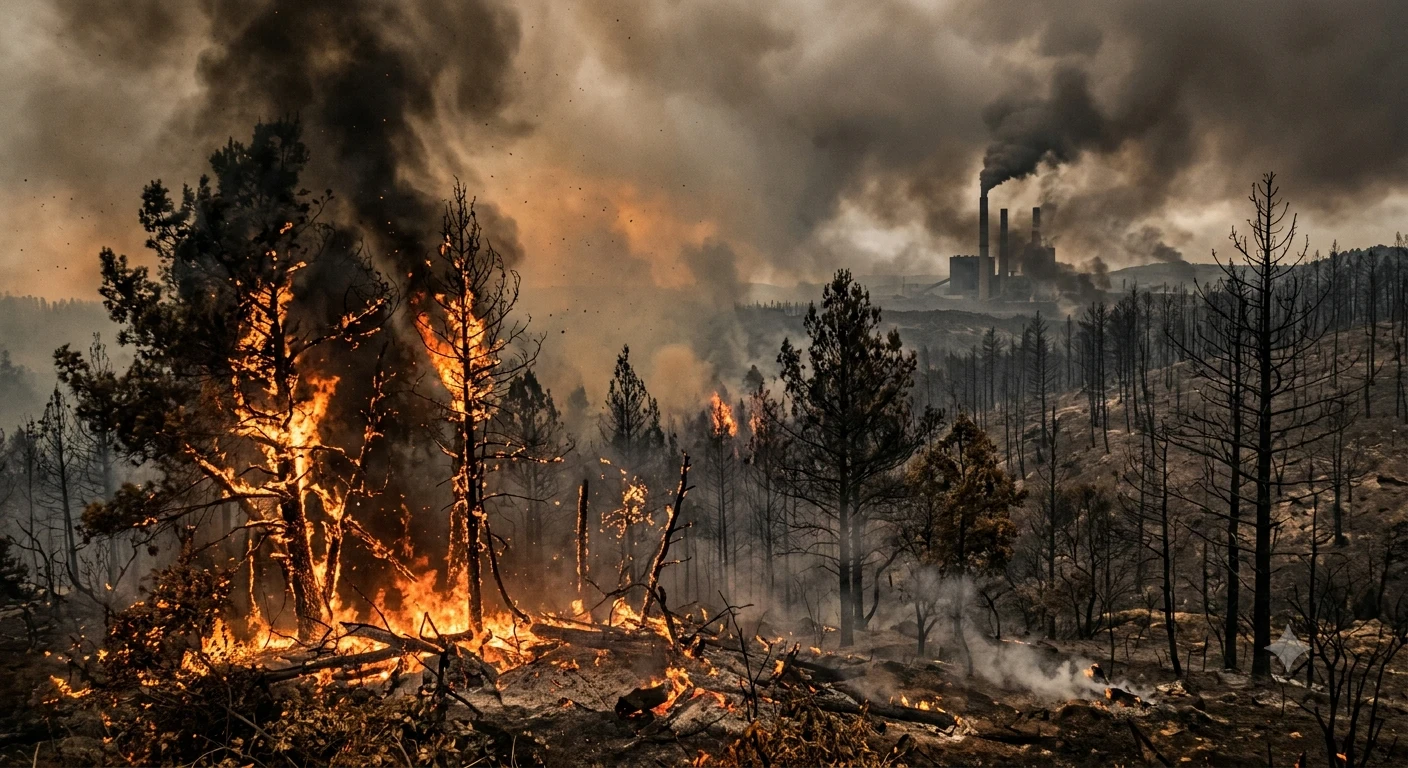
The 2026 wildfire season in Canada has been especially active, fueled by warmer-than-normal temperatures and dry conditions that have allowed fires to spread rapidly across Ontario. Smoke from these fires, along with fires burning in Minnesota, is being carried by shifting wind patterns across the Great Lakes, the upper Midwest, and the northeastern United States.
This isn't a new phenomenon. Wildfire smoke has repeatedly proven capable of traveling hundreds to thousands of miles, and the region is still shaped by the memory of 2023, when smoke plunged the city into an orange haze that grounded flights, closed public beaches, and forced New Yorkers indoors for days.
How New Yorkers Are Protecting Themselves
City and state officials have issued clear guidance for residents as conditions worsen:
- Limit time outdoors, especially strenuous activity, when AQI rises above 100.
- Keep windows and doors closed, and set air conditioners to recirculate indoor air rather than pulling in outside air.
- Use air purifiers or HVAC filters where available.
- Wear a well-fitting N95 or KN95 mask outdoors during heavy smoke conditions; the city has made free masks available at libraries, transit hubs, and fire stations.
- Check real-time AQI levels through AirNow.gov or New York's Department of Environmental Conservation before heading outside.
Officials have also warned that pets are not immune to the effects of wildfire smoke, advising residents to limit their animals' time outdoors and watch for symptoms like coughing or difficulty breathing.
The Bigger Picture
This week's advisory is a reminder that wildfire smoke is no longer just a regional issue for the western US or Canada, it has become a recurring summer threat for major East Coast cities like New York. As wildfire seasons grow more intense, air quality alerts triggered by fires burning hundreds of miles away are increasingly shaping how Americans plan their summers, from outdoor plans to what they keep stocked at home.
Final Thoughts
New York's latest brush with Canadian wildfire smoke shows how interconnected air quality has become across North America. While this week's AQI levels haven't reached the extremes of 2023, officials are urging residents to stay informed, take the advisories seriously, and prepare for the likelihood that this won't be the last smoke event New York sees this summer.